
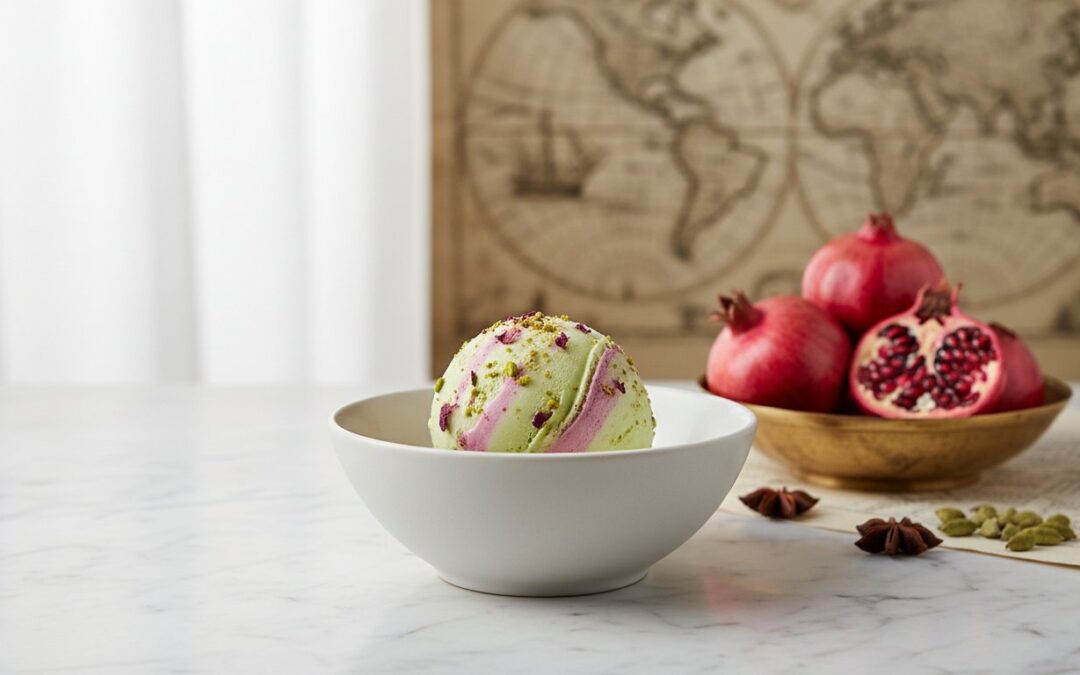
What if I told you that the origins of ice cream are as diverse and rich as its flavours? The question of who came up with ice cream has sparked debates and confusion for centuries, with various cultures laying claim to its invention. Whether you’re a casual dessert lover or a dedicated culinary historian, it’s easy to get lost in the many stories surrounding this beloved treat. In this article, you will uncover the fascinating origins of ice cream and discover how different cultures influenced its evolution. From ancient recipes to modern innovations, we’ll guide you through the delightful journey of ice cream’s history, revealing the unique contributions that shaped this indulgent delight into what we enjoy today.
Key Takeaways
- Uncover the sweet origins of ice cream, tracing its roots back to ancient Persia and China.
- Learn how frozen desserts evolved through Europe, particularly with the introduction of sorbet and gelato in Italy and France.
- Discover who came up with ice cream in America and the innovations by early American ice cream makers that shaped its popularity.
- Explore modern trends in ice cream production, highlighting the rise of artisanal makers dedicated to unique flavours.
- Delve into regional variations of ice cream, showcasing how different cultures interpret this beloved treat worldwide.
A Sweet Beginning: The Origins of Ice Cream
Ice cream, a beloved frozen dessert, is primarily made from dairy products such as milk and cream, combined with sugar and flavourings. Its creamy texture and delightful sweetness have captivated taste buds for centuries. The history of ice cream dates back to ancient civilisations, long before modern refrigeration made production more straightforward.
Ancient Frozen Treats: Persia and Beyond
The earliest forms of frozen desserts can be traced back to ancient Persia, where people developed methods to enjoy refreshing treats. They would gather snow from mountains and mix it with grape juice, creating a primitive form of ice cream. Notably, Alexander the Great is said to have relished frozen desserts made with snow and honey, showcasing the allure of chilled delicacies even in ancient times. Meanwhile, in China, during the Han Dynasty (206 BC – 220 AD), there are records of a frozen mixture of milk and rice, indicating an early understanding of creating frozen delights.
The Early Influence of the Arab World
The Arab world played a crucial role in the evolution of ice cream, particularly with the invention of sherbet. The introduction of sugar, which was prized for its sweetness, alongside various flavourings such as fruits and spices, transformed frozen treats into a more sophisticated culinary experience. This innovation spread to Europe through trade routes, paving the way for the ice creams we enjoy today. By the 9th century, the Arabs were making advanced frozen beverages that laid the groundwork for modern ice cream.
During the Tang Dynasty (618-907 AD) in China, a significant leap occurred in the history of frozen desserts. This era saw the creation of a mixture made from milk and rice, which was then cooled with snow. The Tang Dynasty was known for its cultural advancements, and the royal court often indulged in these luxurious frozen treats, highlighting their importance in social gatherings.
In summary, when asking who came up with ice cream, it is clear that its origins are a tapestry woven from various cultures and innovations. From the Persians and their snow-chilled delights to the Arabs’ sweetened sherbets and the Chinese innovations during the Tang Dynasty, ice cream has a rich and varied history that reflects the culinary creativity of ancient societies.
The Journey Through Europe: From Sorbet to Gelato
The evolution of ice cream is a fascinating tale that begins in the heart of Europe, where sorbet made its debut in Italy and France during the 16th century. This period marked a significant transformation in frozen desserts, as culinary techniques advanced and cultural exchanges flourished. These developments paved the way for what we now recognise as ice cream.
Italy: The Birthplace of Gelato
Italy played a pivotal role in the creation of gelato, a creamier and denser version of ice cream. Unlike traditional ice cream, which often contains higher levels of air and fat, gelato is churned at a slower speed, resulting in a smoother texture and more intense flavour. This distinction set gelato apart as a luxury treat, cherished by many.
Famed gelato artisans like Giovanni Boccaccio and Antonio Banderas contributed significantly to the craft, refining recipes and introducing innovative flavours. Gelato has become an integral part of Italian culture, symbolising culinary excellence and craftsmanship. Its presence in social gatherings, festivals, and even daily life underscores its importance in Italian society.
France: Refinement and Innovation
As the journey continues to France, the refinement of frozen desserts took centre stage. French chefs elevated ice cream to an art form, particularly during the reign of Catherine de Medici, who brought sorbet to the French court. This royal endorsement catalysed the development of elaborate recipes that combined cream, sugar, and eggs, creating a luxurious dessert experience.
French innovation didn’t stop there. Chefs began to experiment with new flavour combinations, introducing ingredients such as chocolate, vanilla, and fruits. This creativity not only set the standard for modern ice cream but also influenced culinary practices across Europe, showcasing the impact of cultural exchanges on the evolution of frozen desserts.
The significance of the 16th and 17th centuries cannot be overstated. These periods marked a turning point in the history of what we now enjoy as ice cream. It was during this time that the foundations were laid for the diverse and delicious varieties we savour today.
As we explore these rich histories, we see that the question of who came up with ice cream is not just about individual inventors but rather about the collaborative efforts across cultures that shaped this beloved treat. To discover how these traditions can be integrated into your own culinary ventures, consider exploring our bespoke solutions tailored for the catering industry.
Ice Cream in America: A Nation’s Favourite Dessert
The journey of ice cream in America began in the 18th century, when the sweet treat was first introduced by European settlers. Early American ice cream makers quickly adapted European recipes, leading to a burgeoning industry that would eventually revolutionise dessert culture in the United States.
Founding Fathers and Their Sweet Tooth
Among the most notable figures contributing to the popularity of ice cream in America was Thomas Jefferson. Jefferson encountered ice cream during his time in France and subsequently brought recipes and techniques back to the United States. He is credited with making ice cream a fashionable delicacy at his estate, Monticello, where he served it at lavish dinners. Jefferson’s love for ice cream spurred interest among his contemporaries, embedding it into the fabric of early American culture.
Ice cream became a symbol of sophistication and leisure, enjoyed by the elite and later embraced by the wider public. The techniques introduced by Jefferson and other early innovators, such as the use of ice and salt to create a chilled environment for mixing ingredients, laid the groundwork for the production methods that would follow.
The Industrial Revolution and Mass Production
The Industrial Revolution in the 19th century marked a turning point for ice cream production. Technological advancements, such as the invention of the hand-cranked ice cream maker in the 1840s, made it easier for households to create this beloved dessert. As production methods improved, commercial ice cream brands emerged, leading to a significant increase in availability and variety.
- The introduction of the ice cream cone at the 1904 St. Louis World’s Fair transformed how ice cream was served and consumed.
- Sundaes, another popular form, began appearing in the late 19th century, further diversifying the dessert landscape.
These innovations not only made ice cream accessible to the general public but also solidified its status as a quintessential American treat. Ice cream parlours sprouted across the country, becoming social hubs where people gathered to enjoy a scoop or two. Shops like A.C. Borden and H.P. Hood began mass-producing ice cream, distributing it widely and cementing its place in American culture.
Today, ice cream remains a beloved dessert, with countless flavours and styles reflecting the rich history and evolving tastes of America. Understanding who came up with ice cream gives us insight into how this delightful treat has become an integral part of social gatherings and celebrations across the nation.
Modern Innovations: From Artisan to Mass Production
The journey of ice cream has evolved dramatically since its inception, leading to a vibrant landscape where traditional craftsmanship meets modern technology. Today, the question of who came up with ice cream is intertwined with a myriad of innovations that have transformed the industry.
Artisan Ice Cream: Reviving Traditional Techniques
The resurgence of small-batch ice cream making in the UK has become a notable trend. Artisanal ice cream makers focus on quality over quantity, often sourcing local ingredients that not only support local economies but also enhance the flavour profiles of their offerings. For instance, the use of British-grown strawberries or cream from local dairies can create unique, seasonal flavours that reflect the locality.
These artisanal methods often embrace sustainability, promoting practices such as using organic ingredients and environmentally friendly packaging. This connection to heritage and craftsmanship resonates with consumers, who increasingly value authenticity and quality in their food choices.
The Role of Technology in Modern Ice Cream
Technological advancements have significantly impacted ice cream production, enhancing both flavour and texture. Modern freezing technology allows for smoother textures and richer flavours by minimising ice crystal formation during the freezing process. This means that consumers can enjoy a creamier and more indulgent experience than ever before.
Social media plays a critical role in shaping ice cream trends, allowing brands to reach wider audiences quickly. Innovative flavours like lavender-honey or matcha-vanilla have gained popularity, largely driven by eye-catching posts and viral challenges. Experimentation with unusual ingredients and flavour combinations has become a hallmark of the modern ice cream scene.
Additionally, the rise of dietary adaptations has transformed the market. Vegan options, free from dairy, have expanded significantly, catering to the growing number of consumers with dietary restrictions. Gluten-free varieties are also prevalent, ensuring that everyone can indulge in this beloved treat. Brands are now more inclusive, offering a range of products that satisfy diverse dietary needs without compromising on taste or quality.
In summary, the evolution of who came up with ice cream reflects a blend of traditional artisan techniques and cutting-edge innovations. The current landscape is marked by a commitment to quality, sustainability, and inclusivity, ensuring that ice cream remains a cherished delight for all.
For those looking to explore the potential of ice cream in their business, consider partnering with experts who can guide you from concept to completion. Discover more about our services at Cafe Counters.
Regional Variations: Ice Cream Across Cultures
Ice cream is more than just a delightful treat; it embodies cultural identities and traditions worldwide. The question of who came up with ice cream leads us into a rich tapestry of regional variations that showcase how different cultures interpret this beloved dessert. Each locale contributes unique flavours and traditional frozen desserts, making ice cream a global phenomenon.
Ice Cream Around the World
In Asia, mochi ice cream stands out as a popular style, blending chewy rice cakes with creamy ice cream. This delightful fusion reflects a balance of textures and flavours, offering a unique experience that captures the essence of Asian dessert culture. In Japan, you might encounter flavours like matcha (green tea) or black sesame, which are far from the traditional vanilla or chocolate seen in Western variants.
Latin America offers its own unique spins, with dulce de leche being a favourite flavour. This sweet caramel-like sauce, made from slowly heating sweetened milk, is often swirled into ice creams, resulting in a creamy, indulgent treat. Countries like Argentina and Mexico also feature refreshing, fruity options such as paletas, which are frozen fruit bars that celebrate local produce.
In Europe, the distinction between gelato and soft serve is significant. Gelato, which originates from Italy, is denser and has less air whipped into it, resulting in a creamier texture. In contrast, the British soft serve is lighter, often served in cones at seaside resorts. These regional specialties highlight the diversity of ice cream styles and preferences across the continent.
The Future of Ice Cream: Trends and Innovations
The ice cream industry is evolving, with trends reflecting changing consumer preferences. Non-dairy options are gaining traction, catering to those with lactose intolerance or vegan lifestyles. Almond, coconut, and oat milks are increasingly being used to create creamy alternatives that do not compromise on taste.
Gourmet and craft ice creams are also on the rise, with artisanal producers experimenting with unique flavour combinations, such as lavender honey or spicy chocolate. This trend emphasises quality ingredients and small-batch production, appealing to consumers looking for authentic culinary experiences.
Health-conscious choices are influencing flavour profiles as well. Many brands are introducing reduced-sugar or low-calorie ice creams, responding to a growing demand for guilt-free indulgence. This shift is not just a passing trend; it reflects a broader movement towards healthier eating habits without sacrificing the joy of enjoying ice cream.
As we explore the journey of ice cream, from its origins to contemporary innovations, it becomes clear that this dessert transcends borders and cultures. Whether it’s a traditional gelato in Italy or a unique mochi ice cream from Japan, the global love for ice cream continues to flourish, proving that it truly is a universal delight.
Embrace the Sweet Legacy of Ice Cream
The tantalising journey of ice cream has evolved from its ancient roots to a beloved staple across cultures. We’ve explored how ice cream’s origins reveal a rich tapestry of innovation, leading us to the delightful variations we savour today. Understanding who came up with ice cream not only enriches our appreciation for this treat but also highlights the creativity that continues to shape its future.
As you consider how to showcase your own culinary delights, remember the importance of presentation. Our expertly crafted food display counters offer bespoke solutions tailored to your needs, proudly manufactured in the UK. Discover our range of commercial food display solutions today!
Indulge in the world of ice cream and elevate your offerings with confidence and quality.
Frequently Asked Questions
What are the earliest known recipes for ice cream-like desserts?
The earliest known recipes for ice cream-like desserts date back to ancient China, around 200 BC, where a mixture of milk and rice was packed in snow to create a frozen treat. Additionally, during the Roman Empire, Emperor Nero enjoyed a concoction made from ice and fruit. These early forms laid the groundwork for what we now refer to as ice cream.
How did ice cream evolve from sorbet to gelato?
Ice cream evolved from sorbet and gelato through variations in ingredients and production methods. Sorbet, originating in the Middle East, is a dairy-free frozen dessert made primarily from fruit and sugar. Gelato, which emerged in Italy during the Renaissance, contains less air and fat than traditional ice cream, resulting in a denser and creamier texture. This evolution reflects regional tastes and techniques over centuries.
Who were some influential figures in the history of ice cream?
Several influential figures have shaped the history of ice cream. Notably, Nancy Johnson invented the hand-cranked ice cream maker in 1843, which revolutionised home ice cream production. Additionally, the introduction of commercial ice cream production by Jacob Fussell in the 1850s helped popularise ice cream in the United States and eventually across the globe.
What role did the Industrial Revolution play in ice cream production?
The Industrial Revolution significantly impacted ice cream production by introducing mechanisation and refrigeration technology. In the mid-19th century, advancements such as the mechanical ice cream churn and the invention of refrigeration allowed for mass production and distribution. This led to the widespread availability of ice cream, making it a popular treat for all classes.
How do modern ice cream makers adapt traditional recipes?
Modern ice cream makers adapt traditional recipes by incorporating innovative flavours and alternative ingredients. For instance, many artisans use organic, locally-sourced products or experiment with vegan options by substituting dairy with nut milks. This fusion of tradition and modernity allows for unique offerings that cater to contemporary dietary preferences and tastes.
What are some popular ice cream flavours from around the world?
Popular ice cream flavours vary globally, showcasing local ingredients and culinary traditions. In Italy, stracciatella and pistachio are beloved, while in Japan, matcha and black sesame are favourites. The UK has its own classics, such as clotted cream and raspberry ripple, reflecting the rich diversity of ice cream culture worldwide.
How has technology changed the way we produce ice cream today?
Technology has revolutionised ice cream production by introducing advanced machinery and techniques. Modern processes include high-speed freezers that improve texture and flavour retention, as well as automation in mixing and churning. These advancements not only enhance product consistency but also enable quicker production cycles, meeting the growing demand for ice cream in today’s market.