
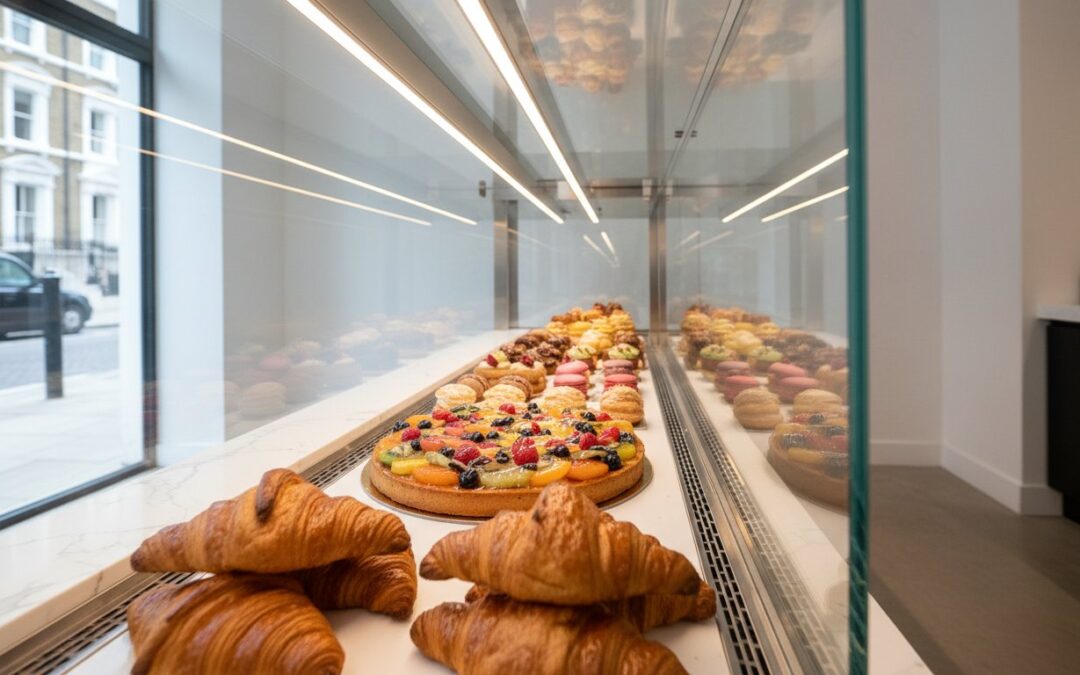
With 71% of consumers now citing texture as their primary source of eating satisfaction, the success of your bakery hinges on far more than just flavour. In a market where online discussions regarding “crispy textures” are set to rise by 19% by the end of 2026, mastering how to keep pastries fresh in a display case has become a critical engineering challenge rather than a simple storage task. We recognise the frustration of watching a perfectly laminated croissant lose its shatter-crisp shell by midday, leading to high food waste costs and a loss of visual impact that directly affects your bottom line.
At Cafe Counters, we believe your display should be a high-performance environment that protects your craft and your margins. This guide provides the professional blueprint for maintaining bakery-fresh quality through precise technical specifications and bespoke British design. We’ll walk you through the vital differences between ventilated and static cooling, the legal necessity of maintaining chilled displays between 0°C and 5°C, and how robust thermal management can transform your counter into a prestigious sales tool. From understanding humidity levels to selecting the right glass, you’ll gain the expert knowledge required to deliver a showroom-standard presentation every single day.
Key Takeaways
- Understand the science of starch retrogradation to prevent staling and maintain the perfect balance of moisture in your bakes.
- Evaluate the performance benefits of ventilated versus static cooling to determine how to keep pastries fresh in a display case while protecting delicate finishes.
- Optimise your daily operations with advanced FIFO methods and airflow-conscious product placement to eliminate temperature fluctuations.
- Establish a rigorous hygiene and maintenance protocol that safeguards your display environment against mould spores and unwanted odours.
- Learn how bespoke CAD modelling and British manufacturing ensure your counter provides a prestigious, functional home for your high-end patisserie.
The Science of Pastry Degradation: Why Freshness Fails
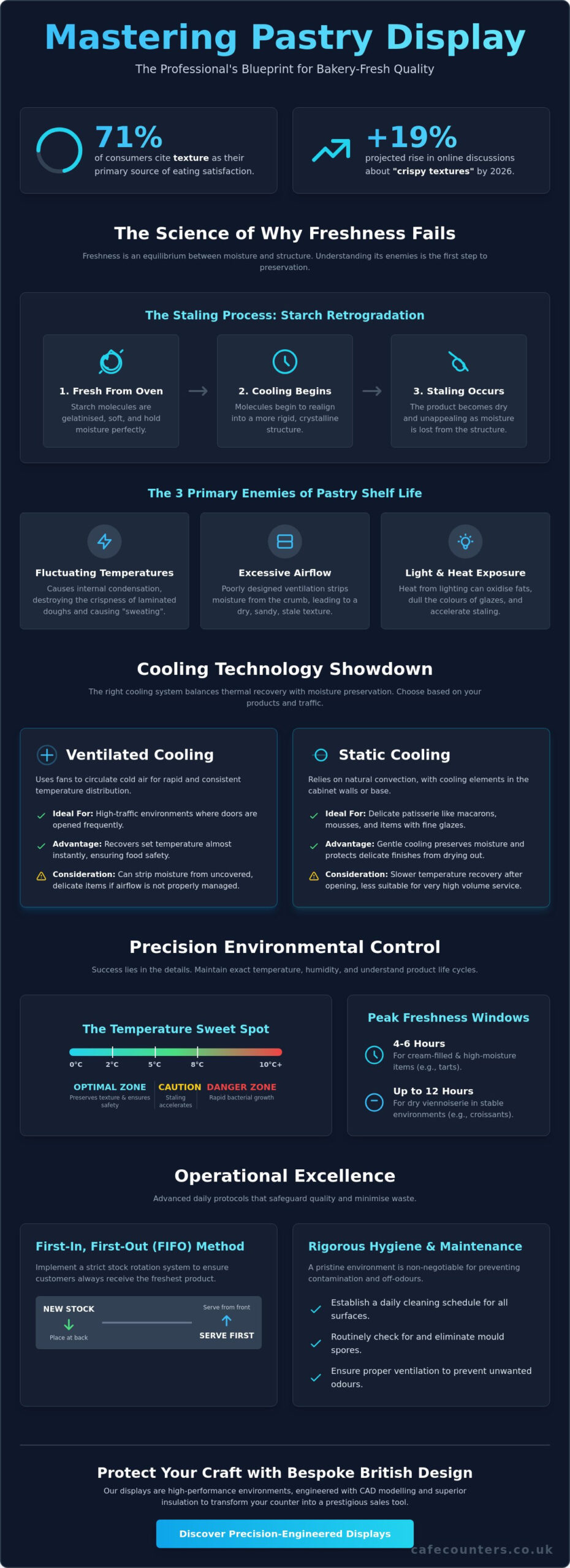
Freshness isn’t a vague quality; it’s a measurable physical state defined by the delicate equilibrium between moisture content and structural integrity. For any professional operator, mastering the science of food preservation is the first step in understanding how to keep pastries fresh in a display case. When a pastry leaves the oven, its starch molecules are gelatinised and soft. As the product cools, these molecules begin to realign into a rigid, crystalline structure. This process, known as starch retrogradation, is the technical cause of staling. While temperature control can slow this transition, the wrong environment will accelerate it, turning a prestigious bake into a dry, unappealing commodity in just a few hours.
Maintaining a consistent Relative Humidity (RH) is vital for preventing dehydration, particularly in puff pastry where the thin, buttery layers are highly susceptible to the surrounding air. Professional displays must combat three primary enemies that threaten the shelf life of your bakes:
- Fluctuating temperatures: Rapid changes cause internal condensation, which destroys the crispness of laminated doughs.
- Excessive airflow: Poorly designed ventilation systems strip moisture from the crumb, leading to a sandy, stale texture.
- Light exposure: Heat from traditional bulbs can oxidise fats and dull the vibrant colours of delicate fruit glazes.
Moisture Migration: The Soggy Bottom Syndrome
Moisture naturally moves from areas of high concentration to low concentration. In a display case, this means water migrates from moist fillings like crème pâtissière or fruit compote into the crisp crust. High-humidity environments accelerate this process, leading to the “soggy bottom” that ruins the eating experience. Cream-filled pastries require a bespoke chilled environment to slow this migration, whereas dry viennoiserie, such as croissants, performs best in an ambient setting with lower RH. Most high-end bakes have a strict freshness window; cream-based items often peak within 4 to 6 hours, while dry pastries can maintain their structural integrity for up to 12 hours if the environment remains stable.
Temperature vs. Texture: Finding the Sweet Spot
Precision is the hallmark of a functional professional display. While the legal “danger zone” for bacterial growth begins at 8°C, the “staling zone” for quality can occur even at higher chilled temperatures. Chilled patisserie should be held in a precise range between 2°C and 5°C to ensure both food safety and textural longevity. Ambient displays also require temperature stability to avoid the “sweating” that occurs when warm air hits a cool surface. Even without active refrigeration, these units must be shielded from external heat sources to prevent condensation from ruining delicate glazes.
Selecting the Optimal Display Case: Ventilated vs. Static Cooling
Choosing the right cooling technology is a strategic decision that dictates the longevity of your inventory. It’s a balance between thermal recovery and moisture preservation. To master how to keep pastries fresh in a display case, you must first understand that different bakes have conflicting environmental requirements. A high-specification counter isn’t just a cabinet; it’s a precision-engineered tool designed to maintain specific climate zones. For instance, utilizing triple-glazed, Argon-filled glass panels provides superior thermal insulation, ensuring that your energy costs remain low while your products stay protected from external heat fluctuations.
While refrigeration is essential for safety, the method of cooling significantly impacts texture. Ventilated systems use fans to circulate cold air, whereas static systems rely on natural convection. Choosing between them depends entirely on your product mix and service volume. You must also adhere to FoodSafety.gov guidelines by ensuring your chilled units consistently operate between 0°C and 5°C to prevent bacterial growth without compromising the structural integrity of your patisserie.
When to Choose Ventilated Chilling
Ventilated cooling is the standard for high-traffic environments. If your staff frequently opens the display to serve customers, you need a system that recovers its set temperature almost instantly. Modern units, such as a high-performance patisserie display counter, use forced-air technology to eliminate warm spots. However, this constant airflow can strip moisture from unprotected bakes. To counter this, professional bakers often apply a light glaze or use subtle covers for items sensitive to dehydration. This setup is ideal for robust, chilled items like cheesecakes or tarts that can withstand a more active environment.
The Case for Static Cooling and Ambient Displays
Static cooling is often the preferred choice for delicate, un-covered patisserie. Because there are no fans to move air across the product, the risk of the crumb drying out is significantly reduced. It’s the gentle approach required for high-end mille-feuille or éclairs. Conversely, ambient counters are designed for non-perishable items like croissants or sourdough. These units don’t require active cooling but must be designed to prevent “greenhouse” heat build-up from internal lighting or sunlight. Exploring our range of bespoke display solutions can help you identify the specific cooling profile your menu requires. By matching the technology to your specific product mix, you ensure that a morning croissant remains as shatter-crisp at 3:00 PM as it was at dawn.
Operational Excellence: Daily Management for Maximum Shelf Life
Operational excellence is the bridge between high-end engineering and a profitable shop floor. While technical specifications provide the foundation, your daily management determines the ultimate lifespan of your bakes. Implementing a “First In, First Out” (FIFO) system is standard practice in kitchens, but in a retail environment, it requires a strategic visual approach. Rotating stock ensures that the oldest items are sold first without compromising the “hero” presentation at the front of the case. This methodical rotation is a core component of how to keep pastries fresh in a display case, as it prevents products from lingering in corners where airflow might be suboptimal.
Effective Display Loading Techniques
The physical arrangement of your products directly influences the unit’s thermal efficiency. Overcrowding a refrigerated grab and go display is a common error that leads to “hot spots” and uneven cooling. To maintain the unit’s thermal mass and ensure consistent quality, you must allow for at least 2cm of clearance between items. This gap facilitates the laminar airflow necessary to wrap each pastry in a protective envelope of cold air. Tiered shelving should be used to your advantage; place denser, more temperature-stable items on lower levels where the air is naturally coolest, while lighter viennoiserie can sit on higher tiers to avoid moisture-heavy zones.
Managing Ambient Factors in the Shop
External conditions play a significant role in the bakery environment and safety. Even the most robust counter will struggle if positioned directly under an air conditioning vent or in the path of a draughty entrance. These external air currents disrupt the internal climate of the display, causing rapid moisture loss and textural degradation. Monitoring your shop’s humidity with a hygrometer is a simple yet effective way to ensure your environment stays within the ideal 50-60% range. For savoury pastries, using Vision Heated Counters is essential. These units maintain a steady 63°C or above, preventing grease from congealing and ensuring the pastry remains crisp rather than heavy.
Lighting is another critical factor in how to keep pastries fresh in a display case. Traditional halogen bulbs emit UV and heat signatures that can prematurely age delicate glazes and dry out the crumb. We recommend LED lighting with a high Colour Rendering Index (CRI); it provides a stunning visual impact without the heat-related degradation. Finally, establish a clear overnight protocol. While some robust items can stay in a humidity-controlled case, delicate pastries should be moved to airtight containers in a cool, dry area to preserve their texture for the following morning.
Hygiene and Maintenance: Protecting Your Display Environment
Hygiene is far more than a visual requirement; it’s a biological necessity that directly impacts the shelf life of your inventory. A neglected display cabinet becomes a micro-climate where mould spores and lingering odours thrive, both of which are catastrophic for high-fat pastries that absorb scents from their surroundings. Maintaining a pristine environment is a cornerstone of how to keep pastries fresh in a display case, as even trace contaminants can compromise the structural integrity and flavour profile of a prestigious bake. To ensure your unit meets the rigorous standards of the UK’s Food Standards Agency “Safer Food Better Business” pack, you must establish a methodical maintenance schedule that protects both your customers and your margins.
One of the most overlooked aspects of maintenance is the integrity of magnetic door seals. Over time, these gaskets can perish or become coated in sugar crystals, preventing a seamless closure. This leads to “temperature creep,” where warm, humid shop air enters the refrigerated zone. This influx of moisture causes immediate condensation on chilled patisserie, resulting in the dreaded soggy texture that ruins a customer’s experience. Regular inspection of these seals ensures your unit operates to its original British-engineered specifications, maintaining the precise thermal barrier required for long-term operational efficiency.
The Daily Cleaning Protocol
Daily cleaning must be executed with precision to avoid tainting your products. We recommend using food-safe, non-perfumed cleaning agents for all glass and stainless steel surfaces that won’t taint delicate bakes. Perfumed chemicals can easily migrate into the butter-rich layers of a croissant or the delicate cream of an éclair, ruining the taste. It’s equally vital to clear crumbs and debris from slider tracks every evening. If these tracks are blocked, doors won’t close fully, disrupting the airflow and causing temperature fluctuations. Finally, logging your temperatures twice daily is a legal requirement that also serves as an early warning system for mechanical issues before they result in food waste.
Technical Maintenance for Longevity
Technical performance relies on the components you can’t see. Cleaning the condenser coil is the single most effective way to prevent unit failure and sudden temperature spikes. In a busy bakery environment, flour dust can quickly clog these coils, forcing the motor to work harder and shortening its lifespan. You should also monitor your unit for “icing up,” which often indicates a blocked drainage hole or a failing defrost cycle. If you notice ice formation, it will strip the humidity from the air, leaving your pastries dry and brittle. For those seeking total reliability, our bespoke maintenance and commissioning services from TFSE Products Ltd ensure your display remains a robust and functional asset for years to come. Professional commissioning is essential to calibrate your unit specifically for the UK’s unique humidity levels, providing a stable home for your most delicate creations.
The TFSE Advantage: Bespoke Engineering for British Bakeries
While operational habits and hygiene protocols are vital, the physical architecture of your counter is the ultimate arbiter of product quality. At Cafe Counters, we understand that the engineering of your shop is the final, decisive factor in how to keep pastries fresh in a display case. Our British-made counters aren’t mass-produced; they’re bespoke instruments designed specifically by TFSE Products Ltd for the unique demands of the UK hospitality environment. We combine the pride of traditional British craftsmanship with advanced technical specifications to ensure that your display remains a prestigious and functional asset from the moment of installation.
Our design process utilises advanced CAD modelling to simulate airflow patterns and temperature zones before a single piece of steel is cut. This allows us to predict and eliminate the “dead zones” mentioned earlier in this guide, ensuring that every shelf receives consistent, laminar cooling. By integrating energy-efficient components with stunning aesthetics, TFSE Products Ltd helps you maintain a showroom-standard presentation that doesn’t compromise on operational costs. Our “Concept to Completion” service ensures that the physical space we build is perfectly aligned with the technical requirements of your specific pastry range.
Bespoke Design vs. Off-the-Shelf Units
Off-the-shelf units are often designed for generic chilled goods, but our bespoke solutions are calibrated for your specific menu. If your business focuses on high-moisture patisserie, we can tailor the humidity levels and cooling profiles to prevent the structural degradation of your bakes. TFSE Products Ltd uses only high-quality materials, such as food-grade stainless steel and toughened glass, to ensure a robust and seamless finish that stands up to the rigours of a busy retail environment. A professional site survey is a standard part of our process, allowing us to identify the optimal counter placement to avoid the draughts and sunlight that threaten freshness.
Investing in Quality for Long-Term Profit
The financial argument for premium engineering is clear. Reducing food waste by just 10% can significantly offset the initial investment of a high-specification counter over its operational lifespan. Beyond waste reduction, the psychological impact of a prestigious display cannot be overstated. A bespoke counter creates a sense of authority and quality that allows you to command higher price points for your bakes. Customers are naturally drawn to a stunning, well-lit presentation where every croissant looks shatter-crisp and every tart looks vibrant. To see how our technical expertise can transform your retail space, Contact TFSE Products Ltd today for a bespoke counter consultation.
Mastering the Future of Patisserie Display
Achieving the perfect balance between visual allure and textural integrity requires a meticulous approach to every detail of your retail environment. We’ve explored how mastering moisture migration and selecting the correct cooling technology are the fundamental steps in protecting your craft. Understanding how to keep pastries fresh in a display case ensures your bakes remain shatter-crisp and vibrant from the first morning sale until the final close of play. Since 1991, TFSE Products Ltd has utilised advanced CAD modelling to engineer precision airflow, ensuring our UK-manufactured counters meet the highest professional standards for durability and performance.
Our Concept to Completion service provides the technical expertise and bespoke design required to transform your vision into a prestigious, functional reality. Don’t let your hard work be compromised by a generic storage solution that fails to protect your margins. Explore our range of bespoke Patisserie Displays and discover how a custom-engineered counter from TFSE Products Ltd can elevate your brand and drive long-term profit. Your commitment to quality deserves a display that matches your ambition and preserves your excellence.
Frequently Asked Questions
How long do pastries stay fresh in a refrigerated display case?
Most chilled patisserie remains at peak quality for 4 to 6 hours. While the food stays safe for longer under the required 0°C to 5°C range, the texture begins to degrade as moisture migrates. Items with high fat content, like butter-rich sponges, can maintain their integrity for up to 24 hours if the unit provides stable humidity and consistent thermal management.
Should I keep croissants in a refrigerated or ambient display?
Croissants should always be kept in an ambient display to preserve their shatter-crisp lamination. Refrigeration accelerates starch retrogradation, making the pastry tough and chewy within hours. An ambient counter designed with proper ventilation prevents heat build-up, keeping viennoiserie fresh for a full 12-hour service cycle without the risk of moisture loss associated with chilled environments.
Why is there condensation inside my pastry display case?
Condensation occurs when warm, humid air enters the unit and hits a cold surface. This is often caused by perished magnetic door seals or leaving the case open too long during service. High-specification units with triple-glazed glass and Argon filling reduce this risk by providing a superior thermal barrier against the shop’s external environment.
Can I store different types of pastries in the same display?
You can store varied items if you manage the micro-climates within the case. Dense, temperature-stable bakes should be placed on lower tiers, while delicate items sit higher. However, you must separate high-moisture cream cakes from dry pastries to prevent moisture transfer, which is a key part of how to keep pastries fresh in a display case during a busy shift.
Does LED lighting affect the freshness of my baked goods?
LED lighting is the professional choice because it emits negligible heat compared to traditional halogen bulbs. Halogen lights can raise surface temperatures by several degrees, melting glazes and accelerating staling. Using LEDs with a high Colour Rendering Index ensures a prestigious presentation without the thermal degradation that ruins delicate bakes and shortens their shelf life.
How often should I clean the condenser on my display fridge?
You should clean the condenser coil at least once every 30 days. In high-volume bakeries where flour dust is prevalent, a fortnightly check is more appropriate. A clogged condenser forces the compressor to run longer, leading to temperature spikes and a 15% increase in energy consumption according to standard industry maintenance reports.
What is the ideal humidity level for a patisserie display?
The ideal humidity level for most patisserie is between 50% and 60%. Maintaining this range prevents the crumb from drying out while ensuring that chocolate garnishes and glazes don’t bloom or become sticky. Using a digital hygrometer allows for precise monitoring, which is essential for understanding how to keep pastries fresh in a display case over a long service day.
Is it better to use cake domes or a full display case?
A full, climate-controlled display case is superior for high-end retail environments. While cake domes offer a rustic look, they provide zero temperature or humidity control, leading to rapid staling within 2 to 3 hours. A bespoke counter offers a robust, functional environment that protects your inventory from draughts and contaminants while driving higher sales through prestigious presentation.