
Did you know that refrigeration can account for as much as 50% of the total energy consumption in UK retail environments? You likely understand the daily pressure of balancing these rising operational costs against the vital need for a high-impact multideck display fridge that converts browsers into buyers. It’s a common frustration to see energy bills climb because of inefficient open-front units, or to worry about inconsistent temperatures that risk food waste. Your shop’s aesthetic shouldn’t suffer either; a poorly finished unit can quickly undermine the premium feel of a carefully designed space.
This professional guide explores how to select and integrate high-performance units that drive impulse sales while maintaining perfect food safety. We’ll show you how to navigate the 2026 UK energy standards and F-Gas regulations without sacrificing style or performance. From the technical precision of internal UK manufacturing to the seamless integration of cooling units into bespoke counters, we’ll walk you through the journey of creating a reliable, durable, and profitable retail display.
Key Takeaways
- Learn how vertical merchandising drives impulse sales by creating a high-visibility, accessible customer experience for your grab and go section.
- Understand the critical role of air curtain technology in maintaining a safe 0°C to 5°C environment for high-risk food products.
- Discover why a bespoke multideck display fridge manufactured in the UK offers superior longevity and a perfect fit for complex retail footprints.
- Navigate 2026 UK energy regulations to balance rising electricity costs with the visual impact of open-front or glass-door designs.
- Gain insights into creating a cohesive customer journey by seamlessly integrating refrigerated units with deli counters and heated gantries.
Understanding the Multideck Display Fridge: Maximising Retail Potential
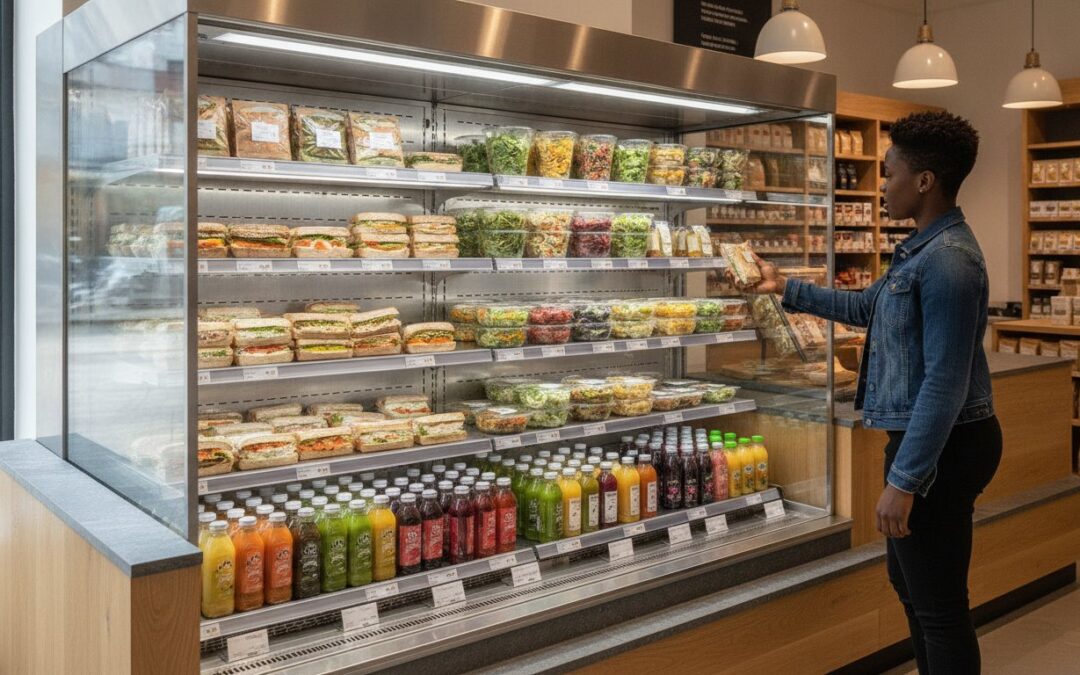
A multideck display fridge is far more than a simple cooling appliance; it’s a vertical merchandising powerhouse designed to present products directly to the consumer. These tiered units remove the physical barrier of a door, allowing for an unobstructed view and immediate access to chilled goods. In the fast-paced UK retail environment, this “Grab & Go” accessibility is vital. It caters specifically to the time-poor professional or commuter who needs to select a sandwich, salad, or drink within seconds. By removing the friction of opening a door, you create a seamless transition from browsing to purchasing.
Retail psychology plays a significant role in the effectiveness of these units. Tiered shelving allows you to utilise “eye-level is buy-level” strategies, placing high-margin items where they’re most likely to be seen first. This vertical arrangement maximises your floor space, enabling a dense product mix that encourages impulse buys. When a customer can see the freshness of a product under clear lighting and reach for it instantly, the likelihood of a sale increases. This strategic layout is a proven method for boosting average transaction values in high-traffic locations.
The placement of these fridges also dictates the customer flow within your premises. Positioned correctly, a multideck acts as a navigational anchor, guiding customers from the entrance toward the payment point. In modern cafe layouts, these units often sit alongside bespoke serving counters, creating a logical journey where a customer picks up a cold drink or snack before reaching the till to order a hot beverage. This methodical approach ensures every square inch of your retail footprint contributes to the bottom line.
The Anatomy of a Professional Multideck
A professional-grade unit relies on sophisticated refrigeration technology to maintain a constant curtain of cold air across every shelf. Shelving configurations must be versatile to accommodate diverse product heights, from slim cans to deep salad bowls. Integrated LED lighting is equally critical; the correct colour temperature enhances the natural colours of fresh produce, making food look more appetising. While basic units use generic internal finishes, high-end UK-manufactured models often feature durable stainless steel or bespoke colour-matched interiors that align with your specific brand aesthetic.
Key Applications Across the Hospitality Sector
Different sectors require varied operational strengths from their cooling solutions. High-volume retail environments prioritising speed and restocking efficiency need units that can recover temperatures quickly after heavy use. Artisanal cafes often seek a balance between industrial-strength cooling and a refined look that fits into a high-end interior design. Meanwhile, public sector and corporate catering environments demand rugged reliability and heavy-duty components that can withstand constant, daily interaction without failing. Each application benefits from a unit tailored to its specific environmental pressures.
Technical Specifications: Cooling Technology and Food Safety
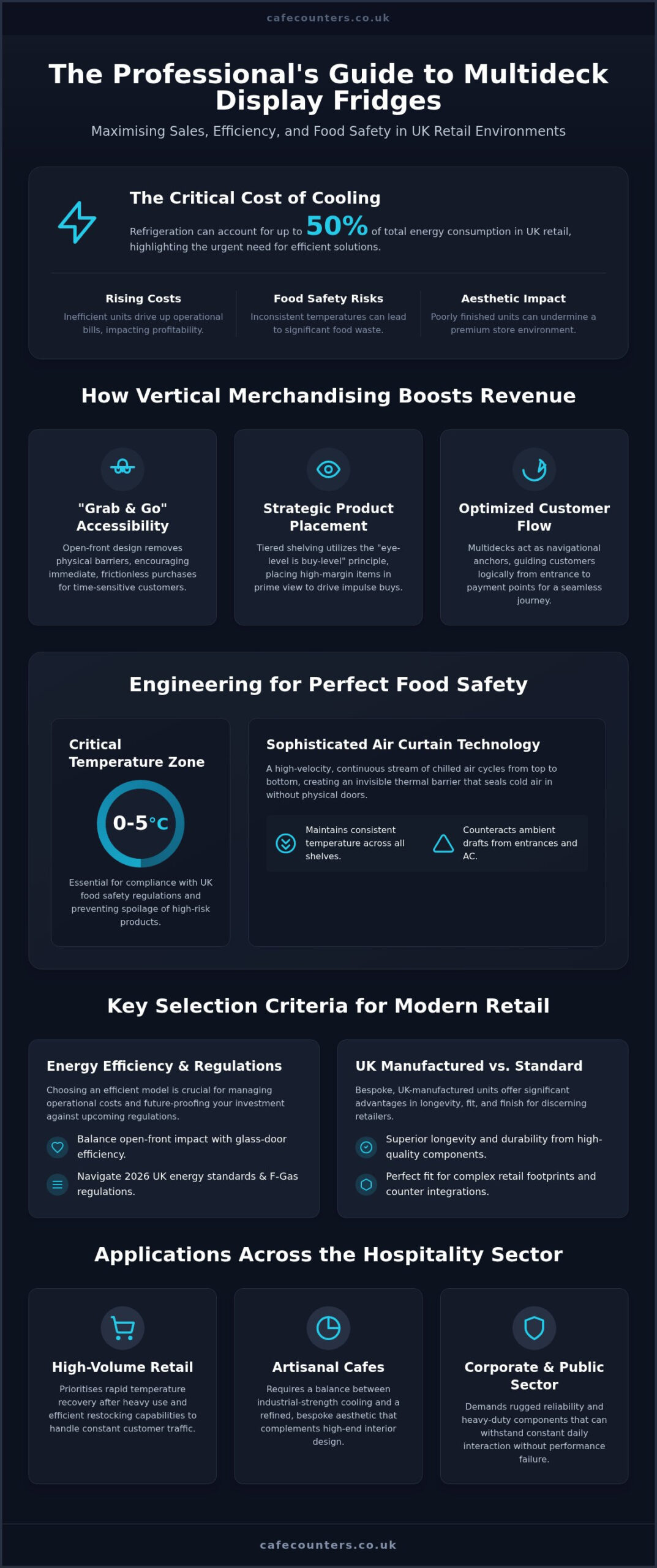
The primary function of any multideck display fridge is to serve as a precise thermal barrier between your products and the retail environment. Engineering these units requires a deep understanding of thermodynamics to maintain the critical temperature range of 0°C to 5°C. This range isn’t just a recommendation; it’s a necessity for compliance with UK food safety temperature regulations. Achieving this consistency in an open-front unit relies on sophisticated air curtain technology. This system generates a high-velocity stream of chilled air that cycles from the top of the unit to the base, effectively sealing the cold inside without the need for physical doors.
Ambient conditions in your shop significantly influence how hard your refrigeration works. If your air conditioning is directed toward the unit, or if there are strong drafts from a main entrance, the air curtain can be disrupted. This leads to temperature fluctuations and forces the compressor to work harder, increasing energy consumption. High-quality professional units counteract these variables with intelligent controllers that manage automatic defrost cycles and humidity levels. These features prevent ice build-up on the evaporator and ensure that delicate items, such as fresh salads or sandwiches, don’t dry out under the constant airflow.
Refrigeration Systems: Integral vs. Remote
Choosing between an integral or remote system depends on your specific retail footprint and the atmosphere you wish to create. Integral units house all mechanical components, including the compressor and condenser, within the fridge body itself. These offer plug-and-play convenience, which is ideal for smaller cafes or retail spaces where a quick setup is required. However, they do release heat and operational noise into the customer area.
Remote systems place the heat-generating components outside the building. This removes mechanical noise and excess heat from the shop floor, creating a more premium, quiet environment for your guests. When planning these installations, we often use CAD modelling to determine the most efficient pipe runs. Selecting a high-efficiency compressor designed for natural refrigerants, such as R290, ensures long-term reliability and compliance with the latest 2026 UK energy and F-Gas regulations.
Hygiene and Maintenance Standards
Durability is a hallmark of UK-fabricated equipment. We utilise high-grade, food-safe stainless steel because it’s non-porous and resists the acidic nature of many food products. Easy-clean surfaces and removable shelving are essential for maintaining rigorous hygiene standards and ensuring your team can perform daily cleaning tasks efficiently.
Routine maintenance is simplified when the design prioritises accessibility. A dirty condenser can reduce cooling efficiency by up to 30%, so we ensure these components are easy to reach for regular vacuuming. Integrating your cooling into a bespoke serving counter allows you to combine these technical requirements with a design that reflects your brand’s commitment to quality. This methodical approach to engineering guarantees that your unit remains a reliable, high-performing asset for years to come.
Standard vs. Bespoke UK Manufactured Solutions
Standard off-the-shelf units often present a compromise for the professional retailer. These imported models come in fixed widths and depths that rarely align perfectly with your existing shop architecture. If you’re working with a specific retail footprint, a generic multideck display fridge can leave unsightly gaps or protrude into customer walkways, disrupting the flow of your space. Our approach focuses on precision engineering rather than mass production. We utilise detailed CAD modelling to visualise how your grab-and-go unit will sit within your environment before any fabrication begins. This ensures every millimetre of your floor space is utilised effectively, turning awkward corners into profitable display areas.
The Benefits of Bespoke Fabrication
A significant advantage of custom manufacturing is the ability to achieve seamless integration across your entire service line. You can effortlessly combine your refrigerated units with patisserie display counters to create a unified visual identity. This consistency is vital for high-end artisanal cafes where the decor is as much a part of the brand as the food itself. Whether you need a unit to fit a narrow alcove or require specific material finishes like bespoke powder-coating or internal colour-matching, customisation solves the problems that “one-size-fits-all” imports simply cannot. It transforms a standard appliance into a tailored architectural feature that enhances your brand’s aesthetic.
Quality Assurance in UK Manufacturing
Choosing a UK-based manufacturer means you aren’t just buying a product; you’re investing in a partnership rooted in artisanal pride. We maintain total control over the production process in our own facility, ensuring that every weld and finish meets our rigorous standards. This proximity also translates to faster lead times and reliable long-term serviceability. Unlike imported units where parts might take weeks to arrive from overseas, we provide technical support and components directly from within the UK.
This commitment to durability ensures your multideck display fridge remains compliant with UK food safety regulations while withstanding the relentless demands of a high-traffic commercial environment. We use high-grade stainless steel that doesn’t just look professional but offers the structural integrity required for years of constant use. By handling the project from initial design to final installation, we provide a steady, reliable hand that alleviates the stress of complex retail fit-outs.
Selection Criteria: Energy Efficiency and Operational Impact
Energy efficiency is no longer a secondary consideration; it’s a primary operational requirement. As of late 2023, UK Ecodesign regulations established a maximum Energy Efficiency Index (EEI) of 80, effectively removing the least efficient ‘G’-rated models from the market. When you specify a multideck display fridge, you must balance the visual impact of an open-front unit against the thermal efficiency of glass doors. Since 2022, there has been a 22% increase in UK retailers opting for closed-front designs to combat rising electricity rates, which reached approximately 26.2p to 29.6p per kWh in August 2026. While open units maximise impulse accessibility, glass-door models provide a significant reduction in heat gain. If your brand relies on the open-front experience, integrating high-quality night blinds is a non-negotiable step to protect your bottom line during closing hours.
Analysing the Total Cost of Ownership
Calculating the true value of your investment in a multideck display fridge requires looking far beyond the initial purchase price. A cheaper import might seem attractive on paper, but high energy consumption and frequent maintenance can quickly erode those savings. We focus on how energy efficient heated displays and refrigerated units work in tandem within a balanced system. In a professional layout, the heat rejected by your fridges shouldn’t overwhelm your heated gantries or shop air conditioning. UK-engineered equipment often features high-efficiency ECM fans and LED lighting, which emit minimal heat and reduce the strain on the refrigeration cycle, leading to a much faster ROI.
Optimising Visibility vs. Thermal Performance
Thermal performance shouldn’t come at the expense of product visibility. We utilise Low-E glass and anti-fog technology to ensure your goods remain the focal point, even in humid environments. Strategic shelf positioning is also vital. It ensures that the air curtain remains unbroken, allowing for maximum cooling efficiency without creating ‘dead zones’ where temperatures might fluctuate. By carefully balancing lighting intensity with heat output, we protect the integrity of delicate food items like fresh dairy or leafy salads while maintaining an aspirational display.
If you’re looking to upgrade your retail space with high-performance cooling, you can explore our range of Grab & Go Displays to find the perfect fit for your business.
Integrating Multidecks into Professional Counter Systems
Successful retail design isn’t about placing a standalone fridge in a corner. It’s about engineering a cohesive customer journey where every element works in harmony. When you integrate refrigerated grab and go display units alongside heated gantries and deli counters, you create a logical flow that guides customers from discovery to purchase. This synergy is particularly effective in high-traffic UK cafes where speed of service is paramount. A well-placed multideck display fridge acts as the anchor for impulse sales, but its success depends on how it’s physically embedded into the wider counter system.
Technical integration requires more than just an aesthetic fit. Bespoke counter designs must account for adequate ventilation to prevent the refrigeration system from overheating, which can lead to premature component failure. Service access is equally critical; your maintenance team shouldn’t have to dismantle an entire counter to reach a compressor or clean a condenser. Professional installation and commissioning ensure that these technical requirements are met from day one, protecting your investment and ensuring the unit operates at peak efficiency within its environment.
Planning for Peak Performance
Precision begins long before the equipment arrives on site. We use CAD modelling for counters to eliminate installation errors and ensure every component aligns perfectly with your shop’s footprint. Site surveys are a non-negotiable part of our process because they allow us to identify potential obstacles like uneven floor levels or existing utility points. During the fit-out, we coordinate closely with other trades, such as electricians and plumbers, to ensure a seamless integration that avoids costly delays. This methodical approach ensures that the transition from a design concept to a physical retail space is handled with total competence.
Next Steps: From Consultation to Commissioning
Bringing your vision to life starts with a detailed brief. When you speak with a manufacturer, focus on your specific operational needs, such as peak footfall and product variety. The TFSE Products Ltd installation process is designed for long-term reliability, moving methodically from initial design through to final commissioning. Choosing a UK-based partner means you benefit from ongoing after-sales support and the reassurance that technical expertise is always within reach. This end-to-end management approach transforms a complex commercial project into a structured, stress-free journey toward retail success, ensuring your multideck display fridge remains a high-performing asset for years to come.
Driving Growth with Precision Cooling
Selecting the right multideck display fridge is a strategic decision that directly influences your retail profitability and operational efficiency. We’ve explored how technical precision in air curtain technology and strict compliance with 2026 energy standards safeguard both your food safety and your bottom line. By moving beyond standard imports and choosing bespoke UK-manufactured solutions, you ensure a perfect fit for your specific retail footprint and brand identity. A well-integrated unit doesn’t just cool; it orchestrates a seamless customer journey that encourages impulse purchases and enhances the professional atmosphere of your space.
With over 30 years of hospitality equipment expertise, our team provides a steady hand through every stage of your project. From initial CAD modelling in our UK-based manufacturing facility to comprehensive installation and commissioning, we’re dedicated to bringing your vision to life with durability and artisanal pride. We invite you to request a professional consultation for your bespoke multideck display solution to ensure your next project is built on a foundation of quality. Let’s work together to create a retail environment that reflects your commitment to excellence.
Frequently Asked Questions
What is the ideal temperature for a multideck display fridge?
The ideal temperature for a multideck display fridge is between 0°C and 5°C to ensure compliance with UK food safety standards. For high-risk items like fresh meat or dairy, we recommend a tighter range of 0°C to +2°C. Maintaining these levels is vital for preventing bacterial growth and reducing food waste. Our units use precision controllers to monitor these levels constantly, providing you with total peace of mind regarding product integrity.
Are open-front multidecks more expensive to run than those with doors?
Open-front multidecks are generally more expensive to run because they lack a physical barrier against ambient heat. Since 2022, there’s been a 22% increase in UK retailers choosing glass-door models to combat rising electricity rates. While open units offer superior accessibility for impulse sales, units with doors can significantly lower energy consumption. We often advise clients to consider the specific footfall of their location before deciding which style best serves their operational budget.
Can a multideck fridge be integrated into a bespoke wooden counter?
You can certainly integrate a multideck display fridge into a bespoke wooden counter, provided the design accounts for adequate ventilation and moisture protection. We use CAD modelling to ensure the unit sits flush within the woodwork while maintaining the necessary airflow for the condenser. It’s essential to use high-grade materials that won’t warp from the temperature differential. This approach allows you to blend high-performance cooling with a warm, artisanal aesthetic.
What is the difference between an integral and a remote multideck?
An integral multideck houses all its refrigeration components within the unit itself, offering a simple plug-and-play solution. A remote system places the condenser outside the building, which removes mechanical noise and heat from your shop floor. Remote systems are often preferred for high-end cafes where a quiet, cool environment is part of the premium customer experience. The choice depends on your site’s layout and the availability of external mounting space.
How often should a commercial multideck be serviced?
We recommend that commercial refrigeration units are professionally serviced at least twice a year to ensure long-term reliability. A critical part of this is cleaning the condenser coils; dirty coils can decrease efficiency by up to 30%. Regular maintenance checks also include inspecting door seals, checking refrigerant levels, and verifying controller accuracy. This proactive approach prevents unexpected breakdowns during peak trading hours and extends the overall lifespan of your equipment.
Do multideck fridges require a special electrical supply?
Smaller, integral units typically run on a standard 13-amp UK plug, making them easy to install in most retail spaces. However, larger or high-capacity models may require a 16-amp or 32-amp dedicated supply to handle the higher start-up currents of the compressors. During our initial site survey, we’ll assess your existing electrical infrastructure to ensure it can safely support your chosen unit without the risk of tripping circuits during operation.
What are the benefits of night blinds for commercial refrigeration?
Night blinds provide a physical thermal barrier that seals the air curtain during closing hours, significantly reducing energy consumption. By preventing the chilled air from escaping and ambient heat from entering the unit overnight, you reduce the workload on the compressor. This simple addition is particularly effective for open-front units, helping you manage operational costs while ensuring your products stay at a consistent temperature until you reopen the following morning.
How do I choose the right size multideck for my cafe layout?
Choosing the right size involves balancing your available floor space with the volume of stock you need to display. You should consider your peak footfall and restocking frequency; a unit that’s too small will require constant refilling, while one that’s too large wastes energy on empty shelves. We use CAD modelling to visualise the unit within your layout, ensuring it fits your retail footprint without obstructing the natural flow of customer traffic.