
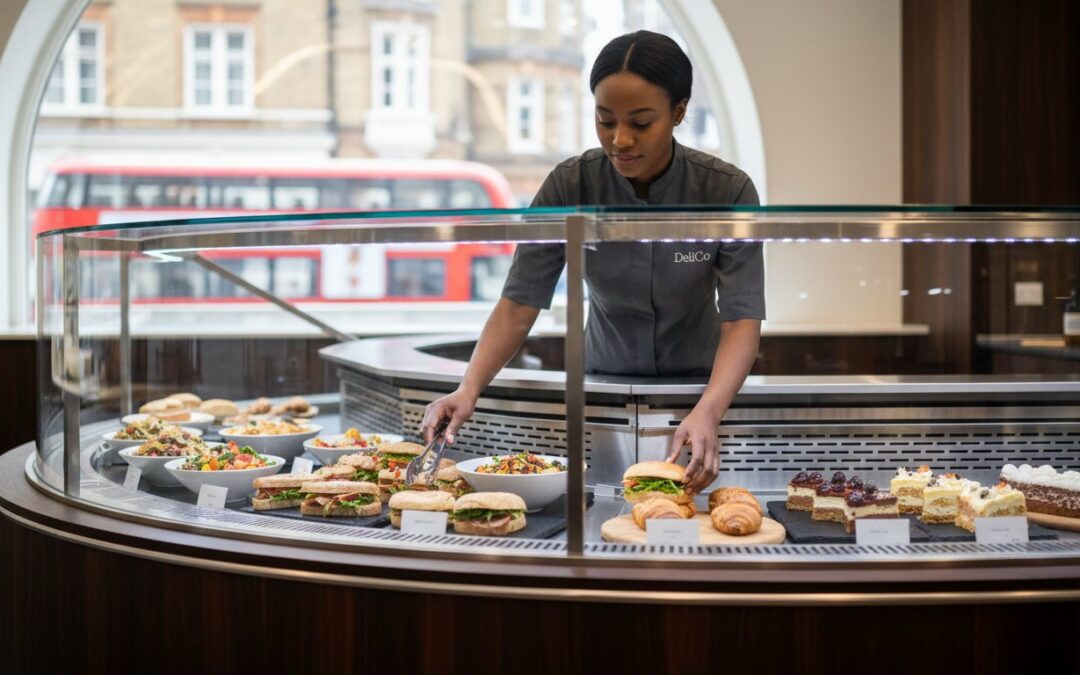
A display counter fridge that fogs up or fails during a busy lunch rush isn’t just a maintenance headache; it is a visual barrier that can cost a high street deli over £450 in lost impulse purchases every single week. You already know that presentation is the heartbeat of your business, yet finding a unit that fits your specific shop dimensions without sending energy bills skyrocketing feels like an uphill struggle. It is frustrating when standard units don’t align with your vision or when cheap imports break down just as footfall peaks.
This same principle of investing in high-performance, versatile equipment applies to the heart of the kitchen. Many top establishments rely on advanced cooking systems such as the Rational iCombi Pro to deliver consistent quality and efficiency, complementing the excellence of their front-of-house presentation.
We’re here to help you move beyond these common pitfalls by showing you how to select and implement a robust, British-built solution that prioritises both food safety and aesthetic appeal. This guide provides a clear path to choosing an energy-efficient display that integrates perfectly with your existing shopfitting. We will walk you through the essential technical details, from anti-condensation glass technology to ergonomic design, ensuring your investment delivers a seamless result from initial concept to final installation.
Key Takeaways
- Learn how strategic food visibility and high-CRI LED lighting can drive impulse purchases and elevate the visual appeal of your fresh produce.
- Understand the engineering differences between ventilated and static cooling to ensure your stock remains compliant with UK food safety regulations.
- Evaluate the long-term ROI of a bespoke display counter fridge compared to the hidden maintenance and energy costs of generic imports.
- Discover the benefits of a “Concept to Completion” approach, using CAD modelling to integrate high-performance refrigeration into complex hospitality layouts.
What is a Display Counter Fridge and Why is it Critical for Your Business?
A commercial refrigerated display counter acts as a vital bridge between culinary art and operational necessity. It’s a dual-purpose tool designed to preserve the integrity of perishable goods while simultaneously driving revenue through visual appeal. Unlike standard storage units, a display counter fridge must maintain rigorous thermal barriers while offering crystal-clear visibility. This equipment is the cornerstone of any London cafe, transforming cakes, sandwiches, and salads into curated exhibits that tempt the passing trade.
High-performance engineering is what separates a professional unit from a standard domestic cooler. To understand the evolution of these units, one might ask What is a Display Case? historically; however, modern refrigeration has added layers of technical complexity to that basic definition. While a back-bar fridge focuses on high-density storage and rapid pull-down temperatures, front-of-house engineering prioritises airflow management. This prevents glass fogging and ensures that temperature fluctuations remain within a narrow 2°C margin, even when the unit is accessed frequently during a busy lunch rush.
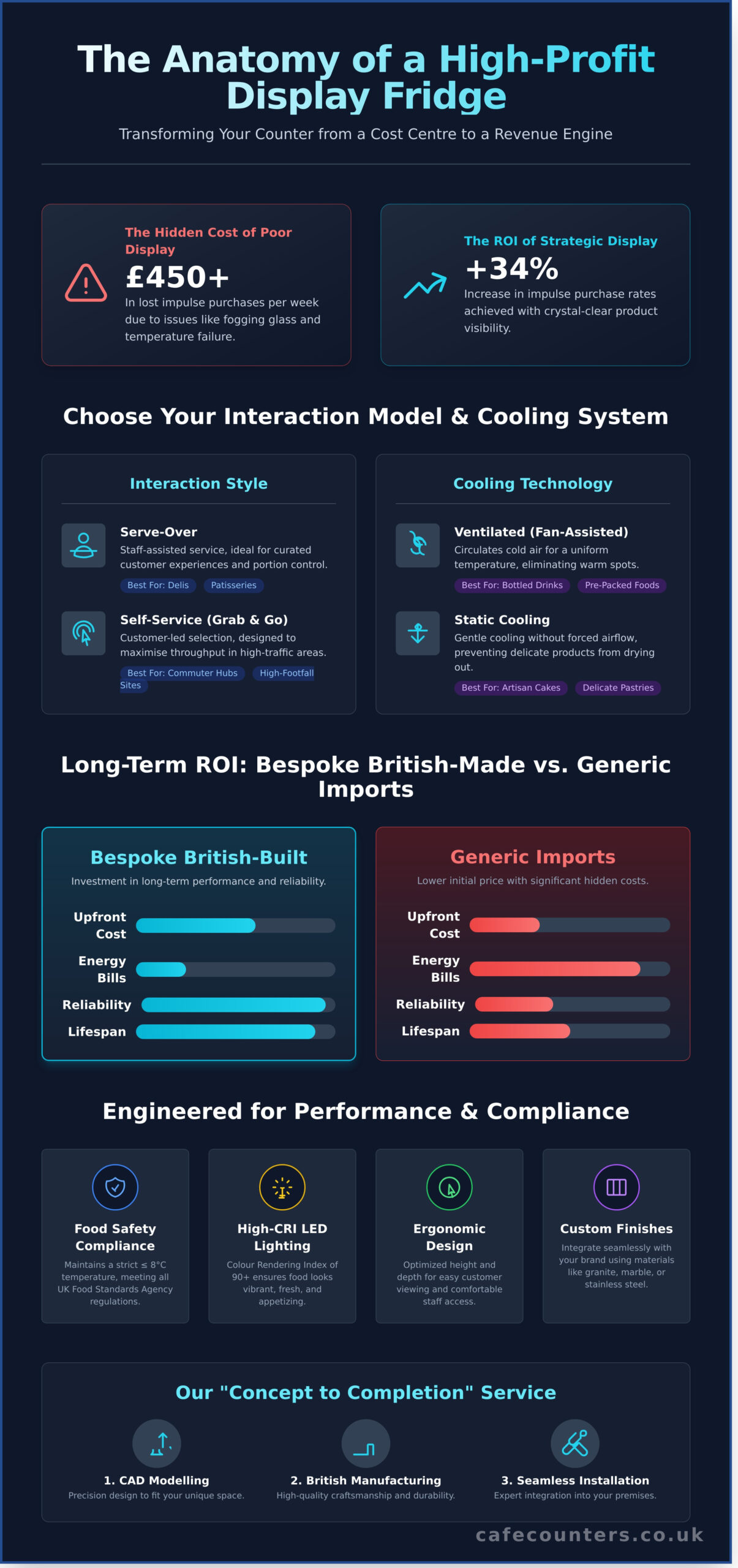
Temperature stability is the foundation of food safety and waste reduction. In the UK, Food Standards Agency (FSA) regulations require cold food to be kept at 8°C or below. A precision-engineered display counter fridge uses forced-air cooling to eliminate “warm spots” that lead to premature spoilage. According to 2023 retail psychology reports, clear product visibility increases impulse purchase rates by 34% compared to opaque storage. In a market where London commercial rents often exceed £100 per square foot, every millimetre of your counter must be optimised for maximum profit.
Serve-Over vs. Self-Service: Choosing the Right Interaction
Selecting the correct interaction model depends entirely on your service speed and menu complexity. Serve-over counters are the preferred choice for delis and patisseries where portion control and personal connection are paramount. These units allow your staff to curate the customer journey, offering descriptions of artisanal cheeses or handmade pastries. Conversely, grab and go displays are essential for high-traffic urban sites near commuter hubs like King’s Cross or Canary Wharf. These open-fronted units maximise throughput by allowing customers to select items without waiting for assistance. Many modern London cafes now opt for hybrid solutions, featuring a bespoke serve-over section for cakes alongside a self-service tier for bottled drinks and pre-packed salads.
The Impact on Customer Experience and Brand Perception
Beyond the technical specifications, your display counter is a physical manifestation of your brand’s commitment to quality. A well-lit, impeccably clean display reinforces a narrative of freshness that customers can trust. We recommend using LED lighting with a Colour Rendering Index (CRI) of 90 or higher to ensure that the natural colours of your food are vibrant and appetising. Ergonomics play a significant role here; the height and depth of the counter must facilitate easy viewing for children and adults alike while remaining at a comfortable working height for staff.
Custom finishes are where your investment truly shines. Moving away from generic plastic or standard stainless steel allows the unit to integrate seamlessly into your interior design. Whether you require a robust granite top for heavy-duty service or a prestigious marble finish to align with a luxury aesthetic, the materials you choose define the customer’s first impression. At TFSE Products Ltd, our Concept to Completion service ensures that every bespoke unit we manufacture in our UK facility meets these exacting standards of British craftsmanship and durability.
Technical Specifications: Engineering for Performance and Compliance
Selecting the right display counter fridge requires a balance between aesthetic appeal and rigorous engineering standards. A unit’s internal mechanics determine how well it protects your stock and your bottom line. At Cafe Counters, we’ve seen how precision manufacturing prevents the common pitfalls of temperature fluctuations and excessive energy draw. The choice between ventilated and static cooling is your first major technical decision. Ventilated, or fan-assisted, systems circulate cold air throughout the cabinet to maintain a uniform temperature. This is ideal for high-turnover items like bottled drinks or pre-packaged sandwiches. If you’re showcasing delicate sponge cakes or artisanal pastries, Patisserie Displays with static cooling are often superior because they don’t dry out the product through constant airflow.
Climate classes are another critical factor that London cafe owners often overlook. Most standard units are rated to Climate Class 3, which means they operate effectively in ambient room temperatures up to 25°C. However, a busy shopfront in the height of July can easily exceed this. Upgrading to a Class 4 unit ensures the compressor continues to function efficiently even when the room hits 30°C. We pair these robust compressors with high-density polyurethane insulation and argon-filled double-glazing. These components create a thermal barrier that holds the cold in and keeps the heat out, reducing the strain on the motor and extending the equipment’s lifespan.
Temperature Control and Food Safety Regulations
Maintaining strict adherence to UK Food Safety Regulations is a legal requirement for any catering establishment. Chilled food must be kept at 8°C or below to inhibit bacterial growth. High-end units feature digital thermostats that provide real-time readouts, allowing for the precise temperature logging required for HACCP compliance. To manage stock effectively, look for a display counter fridge that includes refrigerated under-storage. This allows for seamless stock rotation; you can move fresh items from the rear storage to the front display without breaking the cold chain. It’s a practical solution that keeps your service area organized and your food safe.
Energy Efficiency and UK MEPS Standards
Energy costs are a significant overhead for any UK business. Since the introduction of the UK Minimum Energy Performance Standards (MEPS) in 2016, energy labels have become a vital tool for cost projection. You can calculate the 5-year running cost of a unit by multiplying the annual kWh consumption by your current electricity tariff. For example, choosing an A-rated unit over a D-rated model can save a business approximately £1,450 in energy bills over five years. Modern units have shifted toward natural refrigerants like R290, which has a Global Warming Potential (GWP) of just 3, compared to older chemicals like R404A which had a GWP of 3,922.
Efficiency isn’t just about the refrigerant. The integration of low-energy LED lighting provides a bright, crisp display without generating the heat associated with traditional fluorescent tubes. When combined with high-efficiency ECM fans and oversized condensers, these technical choices result in a unit that’s both environmentally responsible and cheaper to run. If you’re unsure which technical configuration suits your floor plan, our team can help you design a bespoke counter solution that integrates these high-performance features into your specific cafe layout.
Bespoke vs. Off-the-Shelf: Evaluating the Long-Term ROI
Choosing between a ready-made unit and a custom build often determines whether your London cafe thrives or struggles with mounting maintenance bills. While an off-the-shelf display counter fridge might save you £1,200 in initial capital expenditure, the hidden costs of “cheap” imports quickly erode those savings. Many budget units rely on components sourced from overseas, where a single failed compressor can lead to three weeks of downtime while waiting for specific parts. In a high-traffic London environment, three weeks of lost refrigerated sales can equate to over £5,000 in missed revenue, making the initial saving look like a poor financial gamble.
Energy efficiency is another area where bespoke British units outperform mass-produced alternatives. Lower-tier imports often carry “E” or “F” energy ratings, while UK-fabricated counters are engineered with high-density insulation and efficient airflow systems that can reduce electricity consumption by up to 28% annually. Compliance is also non-negotiable. You must ensure your equipment consistently holds temperatures below 8°C to meet legal requirements, as detailed in the Food Standards Agency guidance on chilling food. British-built units are designed specifically for the UK climate and the rigours of a busy commercial kitchen, ensuring these critical temperatures are maintained even during peak summer heatwaves.
The Durability of British Manufacturing
Quality control is the cornerstone of our in-house UK fabrication process. We use 1.5mm gauge stainless steel, which is significantly more robust than the 0.8mm thin-gauge alternatives found in many imported models. This thickness prevents the “pinging” and denting that occurs in busy service environments. Our design philosophy prioritises ease of maintenance; we position internal components so engineers can access them without dismantling the entire counter. This reduces service call-out times by an average of 45 minutes. By avoiding the disposable equipment trap, you invest in a unit with a projected 10 to 15-year lifespan rather than one that requires replacement after 36 months.
Customisation: Materials, Finishes, and Branding
London real estate is some of the most expensive in the world, with retail rents in areas like Soho or Covent Garden often exceeding £150 per square foot. You cannot afford to waste space with “near-enough” sizing. We provide custom sizing to the millimetre, allowing us to wrap counters around structural pillars or fit into narrow Victorian footprints that would reject standard units. Our Bespoke Serving Counters provide a turnkey solution where the aesthetic meets the functional. You can integrate diverse materials to match your brand identity, including:
- Integrated Features: Seamlessly installed bag drops, tray slides, and recessed payment terminal mounts to improve customer flow.
- Material Fusion: Combining premium stone worktops with reclaimed wood frontages and toughened glass displays.
- Branding: Laser-cut logos or specific powder-coated finishes that align with your cafe’s colour palette.
Creating a cohesive brand experience often means looking beyond the service counter to other architectural elements. For example, controlling natural light and privacy is a key part of the customer environment, which is why many establishments also invest in bespoke window treatments from specialists like Shutters Factory.
Building a bespoke display counter fridge into your service line isn’t just about looks; it’s about ergonomic efficiency. When every inch of the counter is designed around your specific menu and staff workflow, service speed increases. A 10% improvement in transaction speed during the morning rush can significantly boost your bottom line, proving that bespoke design is a strategic operational investment rather than a luxury expense.
Merchandising and Layout: Maximising Sales Through Visual Impact
Your choice of countertop material sets the stage, but the way you present your products within the display counter fridge determines your conversion rate. A bespoke counter is more than a structural necessity; it’s a precision-engineered sales tool. In the competitive London hospitality market, where footfall is high and attention spans are short, the technical specifications of your display can increase impulse purchases by over 15%.
Lighting Strategies for Food Presentation
Effective lighting is a science that balances aesthetics with food safety. We specify LEDs with a Colour Rendering Index (CRI) of 90 or above to ensure that the deep reds of cured meats and the golden hues of sourdough appear authentic and appetising. Warm light, typically around 2700K, creates an inviting glow for bakery items, while cooler 4000K tones keep salads and seafood looking crisp and fresh. Because these LED strips emit negligible heat, they don’t force your refrigeration system to work harder, maintaining a stable internal temperature of 2°C to 5°C without flickering or shadow spots.
The physical structure of the glass also dictates how customers perceive your brand. Flat glass offers a clean, architectural look that suits minimalist, modern builds. Conversely, curved glass provides a panoramic view that’s often preferred in traditional patisseries. To maintain total clarity, we recommend heated front glass. This technology prevents the common London issue of condensation fogging the view during humid mornings or when the shop door is frequently opened. Behind the glass, shelf configuration is equally vital. Using adjustable, tilted shelving at a 15-degree angle ensures that even the products at the back of the display counter fridge remain visible to a browsing customer. For venues prioritising speed, integrating Grab & Go Displays alongside your main counter optimises impulse sales during the morning rush.
Ergonomics for Staff and Customer Flow
A successful layout considers the person behind the counter as much as the one in front of it. We design counter heights at a standard 900mm to 950mm to reduce lumbar strain for staff during eight-hour shifts. This ergonomic focus extends to the internal layout, where we ensure that high-volume items are within easy reach to speed up service. Strategic placement of the fridge should guide the customer naturally from the entrance toward the point of sale, creating a logical journey that prevents bottlenecks.
- Hygiene Standards: We use radiused internal corners and removable magnetic gaskets to ensure cleaning takes minutes rather than hours.
- Durability: Heavy-duty stainless steel base plates are standard to withstand the constant movement of heavy trays.
- Access: Rear sliding doors are fitted with high-quality rollers to ensure smooth, silent operation even during peak lunch periods.
Our approach to manufacturing ensures that every component, from the compressor to the glass clips, is robust enough for the rigours of a commercial environment. By focusing on these technical details during the design phase, you create a seamless experience that feels effortless to the customer while remaining highly functional for your team.
From Concept to Completion: Investing in British-Made Excellence
Choosing the right countertop material is only one part of a successful cafe fit-out. Truly prestigious London venues rely on a “Concept to Completion” philosophy that prioritises British-made quality and rigorous technical oversight. At TFSE Products, we’ve refined this process since 1982, moving beyond simple supply to offer a fully managed journey. This starts with a detailed site survey where we measure every corner of your property to ensure a millimetre-perfect fit for your bespoke furniture.
Our methodology bridges the gap between high-end design and practical functionality. We don’t just sell counters; we engineer environments that enhance operational flow. By managing the manufacturing process in-house, we maintain a 98% accuracy rate on bespoke dimensions. This precision is critical when you’re working with high-value materials like granite or engineered quartz in a compact urban space, where every square inch must generate revenue.
The CAD Design and Planning Phase
Precise visualisation is a non-negotiable requirement for any modern hospitality project. Using advanced CAD modelling, we create 1:20 scale drawings that allow you to see exactly how your display counter fridge will integrate with your chosen worktops before a single piece of stone is cut. This proactive planning stage eliminates the 15% budget creep often caused by on-site adjustments and service clashes. We collaborate directly with your architects and interior designers to ensure that power points, drainage, and ventilation are positioned exactly where they need to be, preventing costly delays during the build phase.
Installation, Commissioning, and After-Sales
The final stage of the journey involves more than just delivery. Expert Catering Equipment Installation UK services are essential to protect your investment. Our team handles the technical integration of every component, ensuring your display counter fridge operates at peak efficiency from day one. Professional commissioning is a mandatory step; it validates your 24-month manufacturer warranty and ensures all refrigeration systems meet UK F-Gas regulations.
We don’t leave the site until your team is fully trained on cleaning protocols and temperature monitoring. This hands-on training extends the operational lifespan of your equipment by an average of 3.5 years compared to unmanaged installs. Investing in British-made excellence means you have a reliable partner just a phone call away. While imported units might seem cheaper initially, the peace of mind provided by our UK-based support and rapid spare parts availability is invaluable for a busy London cafe. We take pride in our heritage, ensuring that every counter we install reflects the robust, functional, and stunning quality that your brand deserves.
Investing in the Future of Your Front-of-House
A premium display counter fridge isn’t just a cooling unit; it’s a strategic asset that drives daily revenue through visual impact and operational efficiency. Since 1991, we’ve helped UK hospitality businesses move beyond standard equipment to embrace bespoke solutions that provide a superior return on investment. By integrating advanced CAD modelling into every project, we ensure that your technical specifications meet strict British standards and fit your footprint perfectly before manufacturing begins.
Our Concept to Completion service removes the friction from commercial fit-outs. We handle the design, engineering, and installation to ensure your vision becomes a functional, durable reality. Whether you’re upgrading a high-street retail space or a prestigious healthcare facility, our team provides the technical reliability and British craftsmanship your business deserves. Don’t settle for off-the-shelf compromises when you can have a tailored solution built for longevity.
Request a bespoke counter consultation from our UK experts and take the first step toward a more profitable, stunning service area. We’re ready to bring your vision to life with precision and pride.
Frequently Asked Questions
Can I store any type of chilled food in a display counter fridge?
You can store most chilled items, provided the unit maintains the specific temperature range required for the food category. Most units operate between +2°C and +8°C, which is ideal for dairy, sandwiches, and pastries. However, raw meat or seafood requires a dedicated unit capable of holding 0°C to +2°C to comply with UK Food Standard Agency guidelines. Always check the climate class of your display counter fridge to ensure it can handle the ambient heat of a busy London cafe.
What is the difference between ventilated and static cooling in a display fridge?
Ventilated cooling uses internal fans to circulate cold air for an even temperature, while static cooling relies on natural convection. Ventilated systems are superior for high-volume cafes because they recover their set temperature quickly after you open the doors. Static cooling is a gentler alternative that prevents delicate items like cream cakes or open salads from drying out. Your choice depends on whether you prioritise rapid temperature recovery or maintaining product moisture levels.
How often does a commercial display fridge need servicing?
You should schedule a professional service at least twice every 12 months to maintain operational efficiency and safety. Regular maintenance involves cleaning the condenser coils and inspecting door seals, which can reduce energy consumption by 25% or more. Failure to service the unit annually often voids the manufacturer’s warranty and increases the risk of a breakdown during peak trading hours. We recommend a monthly check of the filters to prevent dust buildup.
Why is my display fridge glass fogging up, and how can I fix it?
Condensation occurs when external humidity is high or the internal temperature fluctuates due to worn gaskets. You can fix this by ensuring your cafe has adequate ventilation or by upgrading to a unit with heated glass or double glazing. If the fogging persists, check the door seals for gaps. A 1mm gap in a seal can cause significant moisture ingress, leading to visibility issues and increased strain on the compressor unit.
Do I need a special power supply for a large display counter?
Most standard display counter fridge units run on a 13-amp plug, but larger, bespoke installations often require a 16-amp or 32-amp dedicated circuit. High-capacity units pull more current during the start-up cycle of the compressor. It’s vital to consult with a qualified electrician before installation to ensure your cafe’s ring main can handle the load. Overloading a standard circuit leads to frequent trips and potential damage to the sensitive refrigeration components.
How much does a bespoke display counter fridge cost in the UK?
A high-quality, bespoke display counter fridge typically starts at £3,500 for a 1.2-metre unit and can exceed £12,000 for complex, multi-tier designs. These prices reflect the use of premium materials like 304-grade stainless steel and toughened safety glass. Investing in a custom solution ensures the unit fits your workflow perfectly. Since we manage the process from concept to completion, these costs include the technical engineering required for a seamless, professional fit.
Can a display counter fridge be integrated into an existing counter run?
You can integrate a drop-in or built-in display unit into an existing counter provided there is sufficient airflow for the condenser. We often manufacture custom surrounds to ensure the transition between the countertop material and the refrigeration unit is seamless and hygienic. You must allow at least 100mm of clearance around vents to prevent the motor from overheating. This approach maintains a unified aesthetic while providing the functional benefits of modern cooling technology.
What are the UK regulations for displaying high-risk chilled foods?
UK law requires high-risk foods to be kept at or below 8°C, though the Food Standards Agency recommends a target of 5°C for optimal safety. You’re legally permitted to display these foods above 8°C for a single period of up to four hours. After this window, the food must be discarded or refrigerated until it reaches 8°C again. Accurate temperature logging is essential, so we recommend units with external digital displays for easy, hourly monitoring.