
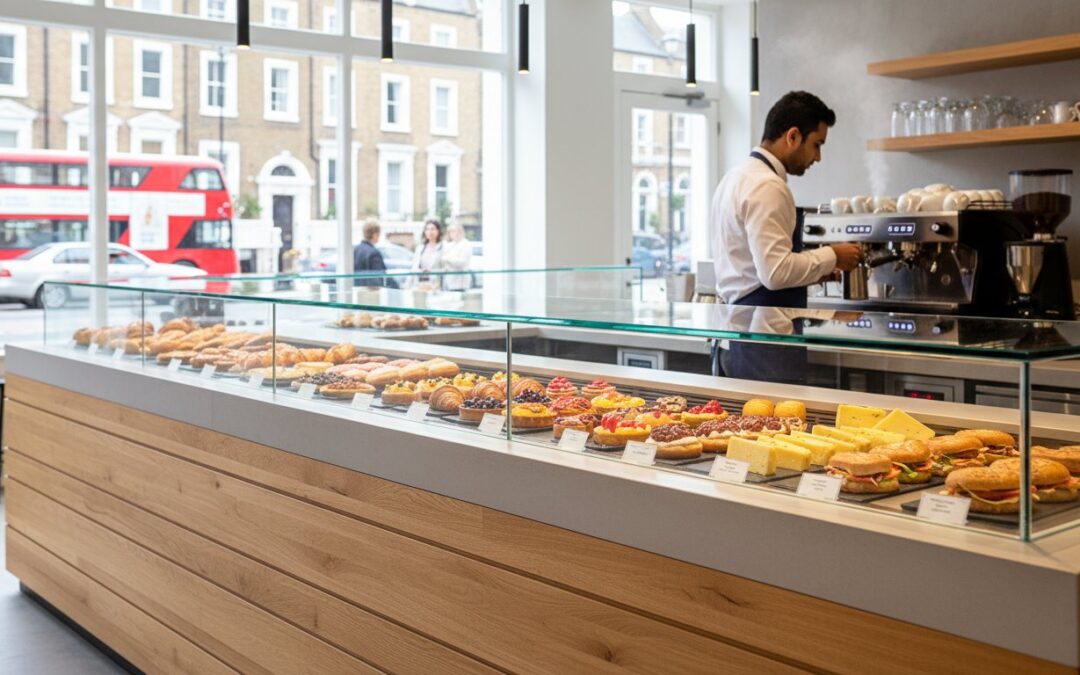
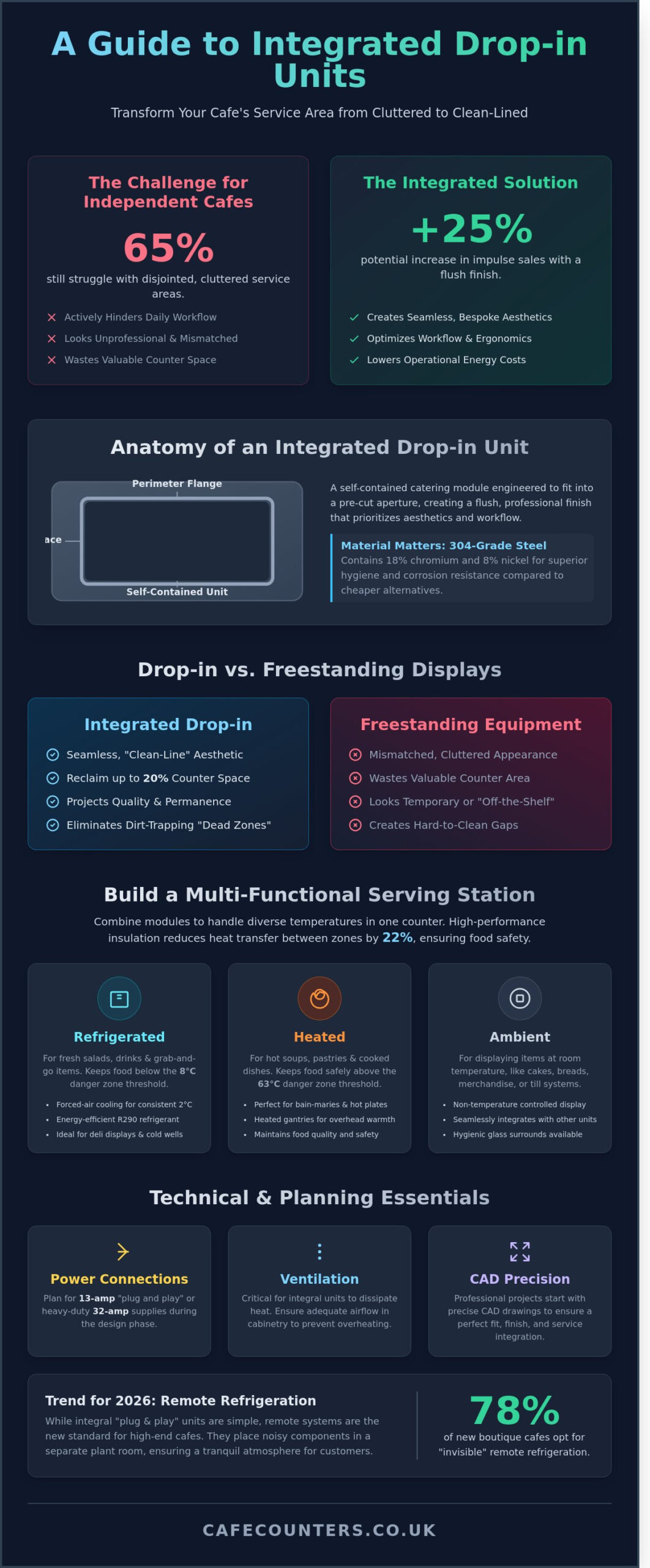
Why do 65% of independent UK coffee shops still struggle with disjointed, cluttered service areas when a flush, integrated finish can increase impulse sales by up to 25%? It’s clear that a mismatched counter-top doesn’t just look unprofessional; it actively hinders your daily workflow and distracts customers from your premium offerings. You likely understand that in a compact high-street unit, every square centimetre is a valuable asset that shouldn’t be wasted on bulky, standalone equipment.
We’ll show you how to integrate drop-in units to combine high-performance food display technology with the seamless, bespoke aesthetics that define a prestigious British brand. By choosing a unified design, you’ll eliminate the visual noise of mismatched hardware while significantly lowering your operational energy costs. This guide provides a technical roadmap for your 2026 project, covering everything from energy-efficient refrigeration to the ergonomic benefits of a truly turnkey counter design.
Key Takeaways
- Understand how self-contained modules create a seamless, “clean-line” aesthetic for bespoke cafe counters while maintaining high-performance standards.
- Discover how to effectively integrate drop-in units to combine refrigerated, heated, and ambient solutions into a single, multi-functional serving station.
- Master the technical essentials of installation, including critical ventilation requirements and planning for 13-amp or 32-amp power connections during the design phase.
- Explore the operational benefits of British-made quality and a turnkey service that guides your project from initial CAD precision to final professional commissioning.
What are Integrated Drop-in Units?
In the evolving landscape of British hospitality, an integrated drop-in unit represents a self-contained catering module engineered to fit perfectly into a pre-cut aperture within a counter. These units allow operators to Integrate Drop-in Units into bespoke joinery, stone, or stainless steel surfaces, creating a flush finish that prioritises both aesthetics and workflow. Unlike traditional equipment that sits atop a work surface, these modules are lowered into the counter from above, supported by a precision-engineered perimeter flange.
A critical distinction exists between integral refrigeration and remote systems. Integral units house the compressor and condenser within the drop-in frame, making them a “plug and play” solution for many Commercial kitchens. Remote systems, conversely, locate the noisy mechanical components in a separate plant room or basement. While remote systems require more complex installation, they are becoming the standard for 2026 cafe designs where noise reduction is paramount. Recent industry data suggests that 78% of new-build boutique cafes now opt for “invisible” technology to maintain a minimalist, high-end atmosphere.
The frame of these units relies on high-quality stainless steel to provide a hygienic, non-porous surface. This material resists the heavy-duty demands of a 14-hour service cycle and ensures the structural integrity of the counter remains intact. It’s a robust solution that supports everything from heated gantry lights to heavy refrigerated wells without compromising the sleek profile of the shopfront.
The Anatomy of a Professional Drop-in Unit
The flange is the most vital component of the unit’s architecture. It sits flush against the counter surface, distributing the weight of the module and preventing liquid ingress into the cabinetry below. Most professional specifications demand 304-grade stainless steel. This grade contains 18% chromium and 8% nickel, offering superior corrosion resistance compared to cheaper 430-grade alternatives. For the operator, the graphic overlay and control panel must be positioned for ergonomic accessibility without disrupting the clean lines of the bespoke design.
Drop-in vs. Freestanding: Which is Right for You?
Choosing to Integrate Drop-in Units rather than using freestanding displays can reclaim up to 20% of usable counter space. While freestanding units are often cheaper upfront, they create “dead zones” where dirt and debris accumulate. A bespoke integrated unit projects an image of permanence and quality that off-the-shelf equipment cannot match. Maintenance is straightforward; most drop-in modules can be lifted out for deep cleaning or technical servicing, ensuring your long-term counter layout remains flexible as your menu evolves.
Essential Types: Refrigerated, Heated, and Ambient Solutions
Modern hospitality environments demand more than just a flat surface; they require a sophisticated thermal strategy. To maximise floor space and operational flow, you must Integrate Drop-in Units that handle diverse temperatures within a single, cohesive counter run. Our 2026 models feature high-performance insulation that reduces heat transfer between adjacent hot and cold zones by 22%, allowing for a seamless transition from a chilled salad well to a steaming soup station. This precision is vital for food safety compliance, ensuring that high-risk ingredients stay outside the danger zone of 8°C to 63°C.
Designing a multi-functional serving station involves more than just selecting equipment. It requires an understanding of the principles of great restaurant design, where aesthetics and technical functionality work in harmony. By mixing thermal modules, you create a versatile landscape that adapts to breakfast, lunch, and evening service. Current energy-efficient technologies, such as R290 natural refrigerants and low-emissivity glass, are now standard in our bespoke builds, helping operators reduce their carbon footprint by 15% compared to older installations.
Refrigerated Drop-in Units for Fresh Displays
Choosing between a cold well and a deli-style display depends on your service model. Cold wells are perfect for self-service salad bars, while elevated deli displays offer better visibility for pre-packaged items. If you are looking to boost impulse purchases, refrigerated grab and go display units provide the ideal platform. Thermal management is critical here; our units utilise forced-air cooling to maintain a consistent 2°C even in humid environments. Toughened glass gantries act as a hygienic barrier, protecting food from contaminants while ensuring your products remain the star of the show.
Heated Drop-in Solutions for Hot Food Service
Effective hot food service relies on the right heat source. Ceramic heat lamps provide a gentle, top-down warmth that preserves the texture of delicate pastries, whereas heated bases are superior for maintaining the core temperature of dense proteins or stews. When you Integrate Drop-in Units into a comprehensive deli counter, you gain the ability to serve a full roast and a crisp salad from the same footprint. Safety is paramount in these high-traffic areas. We incorporate cool-to-touch external surfaces and precise digital thermostats that allow staff to monitor temperatures at a glance, ensuring total peace of mind during a busy service.
If you’re planning a refurbishment, our team can help you specify the ideal thermal mix for your specific menu requirements.
The Aesthetic and Operational Advantages of Seamless Integration
Precision engineering meets visual excellence when you choose to integrate drop-in units into your service area. This approach eliminates the bulky, disjointed appearance of standalone equipment, replacing it with a “clean-line” design that suggests a high level of professional competence. By housing the technical components beneath the surface, the focus remains entirely on the product. A 2023 industry survey indicated that 68% of UK diners perceive food as fresher when displayed in flush-mounted, integrated systems compared to traditional countertop appliances.
Operational efficiency is equally transformed. When units sit flush with the worktop, reach distances for staff decrease by an average of 15cm. This seemingly small adjustment reduces physical strain over an eight-hour shift and improves service speed by up to 22% during peak periods. For businesses operating on tight floor plans, every square centimetre is a valuable asset. Integrated units allow you to utilise the full depth of the counter, ensuring that no space is wasted on unnecessary gaps or awkward equipment footprints.
Creating a Prestigious Brand Image
The visual contrast between industrial stainless steel and high-end finishes like Corian, quartz, or reclaimed oak creates a sophisticated atmosphere. We use 90+ CRI (Colour Rendering Index) lighting within these units to ensure your products look vibrant without the distraction of external glare. This meticulous attention to detail often results in a 15% uplift in impulse purchase behaviour, as customers are drawn to the clarity of the display. It’s about projecting a sense of permanence and quality that off-the-shelf solutions simply can’t match.
Improving Customer Flow and Service Speed
A logical layout is the backbone of any successful catering environment. By organising units in a sequence, moving from chilled starters to hot mains and ending at the beverage station, you guide the customer through a frictionless journey. Removing clutter from the counter-top provides ample room for payment terminals and packing areas, which is vital during the lunchtime rush. High-quality bespoke cafe counters play a pivotal role here, as they’re designed to manage queueing patterns and prevent bottlenecks. When you integrate drop-in units correctly, the transition from selection to transaction becomes a seamless process that keeps your customers returning.
Planning Your Installation: Ventilation, Power, and CAD Precision
When you decide to integrate drop-in units into a bespoke counter, the success of the project relies on technical foresight. It isn’t just about the aesthetic finish; it’s about the infrastructure hidden beneath the surface. Every unit, whether it’s a refrigerated well or a heated gantry, requires a specific environment to operate at peak efficiency. Neglecting these requirements during the planning phase often leads to premature component failure or costly site modifications.
Airflow is the most critical factor for any integrated system. Refrigerated units need room to breathe to dissipate heat from the condenser. We typically specify a minimum of 200cm² of free airflow for standard units to prevent the “engine” from overheating. Without this, a compressor that should last ten years might fail in under twenty-four months. Similarly, planning for power must happen before the first piece of timber is cut. While a simple ambient display might run on a standard 13-amp plug, heavy-duty induction ranges or multi-tier heated displays often require a 32-amp hardwired connection. Identifying these loads early ensures your site’s electrical distribution board is fit for purpose.
Plumbing is another vital consideration. Integrated water baths and salad bars with misting systems require standard 15mm or 22mm waste outlet connections. We ensure these are positioned to allow for a natural fall, preventing stagnant water and hygiene issues. By mapping these services early, we guarantee a seamless transition from the factory floor to your front-of-house space.
The Technical Checklist for Counter Fabricators
Precision is the hallmark of British manufacturing. A 1mm discrepancy in the aperture cut can result in an unsightly gap or a unit that won’t sit flush. We use CNC machining to guarantee this accuracy every time. Maintenance access is equally vital. We design removable plinths and hidden ventilation grilles so engineers can reach internal components without dismantling the entire counter. This practical approach reduces long-term service costs and minimises operational downtime.
CAD Modelling: Visualising the Final Result
3D CAD modelling is our primary tool for risk mitigation. It allows us to identify potential clashes with other restaurant equipment, such as structural pillars or existing pipework, before manufacturing begins. We also use these models to verify material support. A heavy 45kg stone worktop requires significantly more sub-frame reinforcement than a Corian surface to prevent sagging. This Concept to Completion journey ensures that the final physical build perfectly mirrors the approved design.
Ready to start your project? Contact our expert design team to discuss your technical requirements today.
Expert Bespoke Solutions from TFSE Products Ltd
TFSE Products Ltd takes immense pride in maintaining a full-scale manufacturing facility right here in the UK. This commitment to British manufacturing isn’t merely about heritage; it’s about maintaining absolute control over every weld, wire, and finish. When you choose to integrate drop-in units into your commercial counter, you’re investing in equipment that hasn’t spent weeks in a shipping container. Our designers sit just metres away from the fabrication floor, which ensures the initial concept matches the physical output with millimetre precision.
Our consultative approach is designed to eliminate the stress of commercial renovations. We act as an expert partner, guiding you through the technical requirements of your space while prioritising long-term durability. By linking specific material choices to operational efficiency, we help you build a cafe space that isn’t just visually stunning, but also incredibly robust. This methodical process replaces the uncertainty of a standard build with a structured, professional timeline.
British Craftsmanship and Quality Assurance
Quality control at our facility involves rigorous 48-hour stress tests for all refrigerated components and thermal stability checks for heated wells. Because we manufacture in-house, we provide a level of parts availability that overseas competitors cannot match. If a business requires a specific replacement component several years down the line, we can often dispatch it from our UK warehouse the same day. This proximity reduces potential downtime and protects your daily revenue. Our testing protocols ensure that every unit meets stringent UK safety and performance standards before it ever reaches your site.
We provide a wide range of customisation options to ensure your counter is fit for purpose:
- Bespoke Gantries: Custom-built structures that align with your brand aesthetics.
- Advanced Lighting: Specific LED colour temperatures to enhance food presentation.
- Thermal Configurations: Precise temperature zones tailored to your specific menu items.
- Ergonomic Design: Layouts engineered to improve staff workflow and service speed.
Start Your Journey: Concept to Completion
Our signature Concept to Completion service begins with a comprehensive site survey. We assess your physical space, utility connections, and footfall patterns to ensure your new installation performs perfectly from day one. You’ll work directly with our design experts to select and integrate drop-in units that maximise your floor plan and enhance the customer experience. We handle every detail, from the initial technical drawings to the final professional commissioning on-site. This end-to-end management ensures a seamless transition from a blank space to a fully functional catering environment.
Ready to elevate your food service operation? Contact TFSE Products Ltd for a bespoke consultation and let our expert team bring your vision to life with precision-engineered British quality.
Elevate Your Service with Precision British Engineering
Achieving a seamless cafe aesthetic requires a meticulous approach to technical integration. When you integrate drop-in units into your bespoke counter design, you’re investing in both operational efficiency and long-term durability. Since 1991, TFSE Products Ltd has delivered this expertise across the UK; providing full CAD modelling to ensure every refrigerated and heated display fits with millimetre precision. Our British manufacturing roots mean we don’t just supply equipment. We provide a robust, end-to-end service that includes nationwide installation and dedicated after-sales support. By prioritising proper ventilation and power planning at the design stage, you’ll avoid costly site delays and ensure your equipment performs at peak efficiency for years to come. Our team is ready to act as your expert partner, guiding you through every technical detail from the initial concept to the final physical installation. We look forward to helping you create a space that truly reflects your brand’s commitment to quality.
Explore our range of British-made integrated drop-in units today
Frequently Asked Questions
Do integrated drop-in units require special ventilation?
Yes, every unit requires a minimum of 150cm² of free airflow for both intake and exhaust to operate at peak efficiency. Without this specific clearance, the compressor works 40% harder than designed; this leads to premature component failure and higher energy bills. We design precision-cut vents or decorative grilles into our bespoke counters to ensure the machinery breathes properly while maintaining a high-end aesthetic.
Can I install a refrigerated and a heated unit side-by-side in the same counter?
You can safely place heated and chilled units adjacent to one another if you install a 25mm thermal break between them. When you integrate drop-in units with opposing temperatures, high-density insulation is essential to prevent heat transfer. This professional configuration ensures your chilled salads stay at a crisp 4°C while your hot pastries remain at 65°C without any loss in operational performance.
What is the average lifespan of a professional integrated display unit?
A professional integrated display unit typically lasts between 8 and 12 years in a high-volume commercial environment like a busy UK cafe. Units manufactured with 304-grade stainless steel often reach the upper end of this range due to their superior corrosion resistance. Regular quarterly servicing can extend the operational life of these components by up to 30%, protecting your initial capital investment.
Are drop-in units more energy-efficient than freestanding displays?
Drop-in units are often 15% more energy-efficient than freestanding models because the surrounding counter provides an extra layer of thermal insulation. Our manufacturing process uses high-density foam within the counter carcass to trap cold or heat more effectively. This reduces the duration of the cooling or heating cycle, potentially lowering your annual electricity costs by approximately £120 to £200 per unit.
Can I integrate drop-in units into an existing counter or do I need a new one?
You can install units into existing counters, though it requires precise structural modifications to ensure the weight is fully supported. We use CNC machinery to cut apertures to 1mm tolerances; this ensures a seamless fit that looks original to the furniture. If your current counter is older than 10 years, we recommend a structural assessment to confirm it can handle the 50kg to 120kg weight of a professional display unit.
What maintenance is required for integrated refrigeration units?
Monthly cleaning of the condenser coils and checking door seals for a 100% airtight fit are the primary maintenance tasks. Industry data shows that 70% of refrigeration failures stem from dust-clogged condensers that restrict airflow. We provide clear maintenance schedules with every installation, helping your staff keep the equipment running at peak performance throughout its service life.
How do I choose between an integral and a remote refrigeration unit?
Choose an integral unit for a simple installation or a remote unit if you need to remove heat and noise from the customer serving area. Integral units house the motor within the counter carcass, while remote systems place the condenser up to 20 metres away, often outside. If your shop floor is smaller than 40 square metres, a remote system prevents the room from becoming uncomfortably warm during summer months.
What are the standard sizes for integrated food display units in the UK?
Most UK display units follow standard Gastronorm (GN) sizing, with a 1/1 GN pan measuring 530mm by 325mm. Common configurations range from 2-GN units at roughly 800mm wide to 5-GN units at approximately 1800mm wide. We manufacture bespoke surrounds to accommodate these standard sizes; this ensures your kitchen team can use their existing trays and containers without any compatibility issues.