
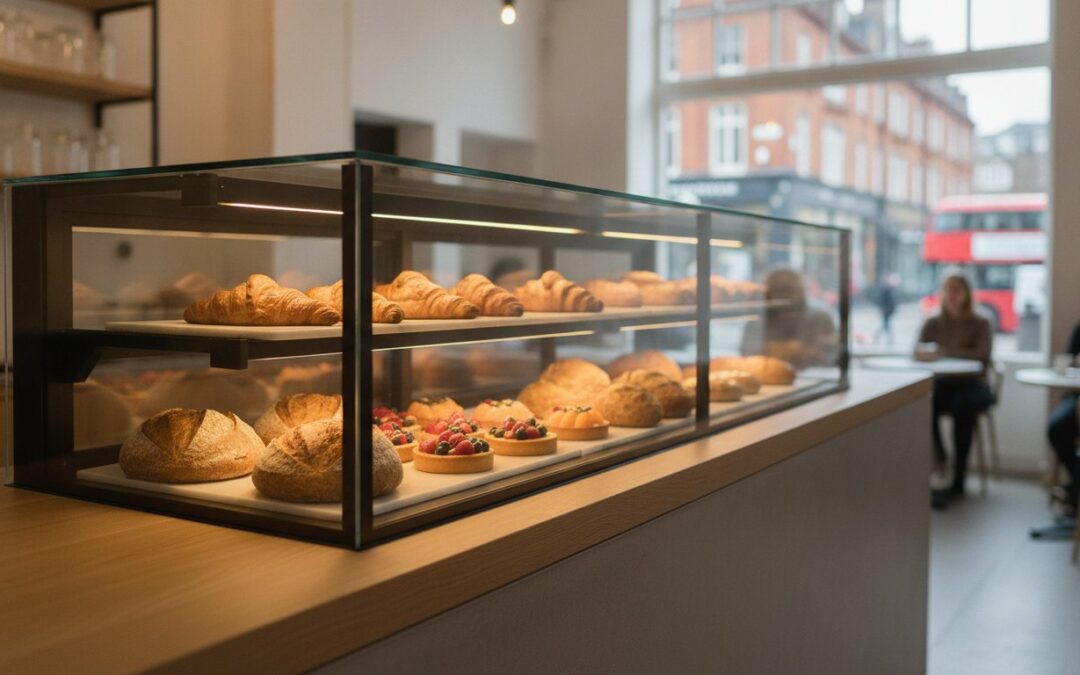
With 71% of consumers now identifying mouthfeel as the central element of their culinary pleasure, your choice of ambient patisserie display cases is no longer just a functional decision. It’s a strategic move to preserve the “flaky” and “crispy” textures that define high-end baking. We know it’s disheartening when artisanal products look cluttered or lose their appeal in units that don’t match your cafe’s bespoke aesthetic. You need a solution that protects your hygiene standards while acting as a premium stage for your craft.
This guide offers the professional clarity required to master non-refrigerated food merchandising through expert selection and CAD-led design. We’ll explore how to integrate durable, UK-made units into your space to increase impulse sales and streamline your cleaning routines. From understanding 2026’s warm minimalism trends to meeting strict food safety regulations, we’re here to help you transform your vision into a high-impact physical reality.
Key Takeaways
- Learn why ambient units are essential for preserving the delicate textures of crusty breads and pastries that refrigeration would otherwise compromise.
- Discover how to use tiered shelving and high-CRI LED lighting in ambient patisserie display cases to maximize product density and visual appeal.
- Understand the benefits of bespoke CAD-led design for creating a seamless integration between your display units and custom counter layouts.
- Master operational excellence with practical strategies for HACCP compliance and maintaining pristine hygiene in non-refrigerated environments.
- Realise the long-term value of British-made quality and the efficiency of end-to-end project management from initial site survey to final commissioning.
Defining the Ambient Patisserie Display in Modern Foodservice
A professional display case is more than a storage unit; it’s a merchandising engine designed to tell your brand’s artisanal story. In the UK hospitality sector, ambient patisserie display cases serve a vital role by showcasing goods that don’t require active cooling, such as morning rolls, brownies, and sourdough loaves. These units aren’t merely “passive” glass boxes. They are precision-engineered environments that protect your bakes from external contaminants while acting as a visual anchor for customer flow. Whether you choose a standalone counter-top model or an integrated drop-in unit, the goal is to create a focal point that drives impulse sales through transparency and accessibility.
The transition from a standard shelf to a dedicated ambient unit often marks the difference between a product looking like an afterthought and it appearing as a premium treat. By elevating your pastries to eye level and using tiered shelving, you tap into the consumer’s desire for abundance. This psychological “verticality” makes your selection look more diverse and plentiful, encouraging customers to add a treat to their coffee order. It’s about moving beyond simple storage and into the territory of sensory storytelling—a narrative that can be further reinforced with bespoke packaging from Ostle & Maillard once the product leaves the display.
Ambient vs Refrigerated: Which Items Belong Where?
Choosing the wrong environment can be a costly mistake for any bakery or cafe. Refrigeration is often the enemy of the crust; cold air accelerates starch retrogradation, which is the scientific process that makes bread go stale. This is why items like croissants, danishes, and crusty baguettes must stay in an ambient environment to maintain their signature “shatter” and flaky texture. We categorise these as low-risk items. Conversely, any product containing fresh cream, custard, or high-moisture fillings is considered high-risk and must be housed in a cake display fridge to comply with UK food safety standards. A cohesive counter design often pairs these two types of units side-by-side, ensuring your full range is displayed without compromising the quality of individual items.
The Anatomy of a Professional Ambient Case
Durability in a commercial setting starts with high-grade material selection. Professional units typically feature toughened safety glass and high-grade stainless steel frames, providing a sturdy skeleton that withstands the rigours of daily service. Configuration is another critical decision. Assisted service units offer a “jeweller-style” premium feel that enhances the perceived value of your goods, while self-service configurations are better suited for high-volume grab-and-go environments. One technical detail we always prioritise is “breathability.” Enclosed cases need subtle air exchange to prevent moisture build-up. Without this, the humidity from fresh bakes can turn a crisp pastry soggy within hours, destroying the mouthfeel your customers expect.
The Science of High-Impact Patisserie Merchandising
Effective merchandising is a blend of psychology and technical precision. When you invest in ambient patisserie display cases, you aren’t just buying a cabinet; you’re designing a stage that influences how customers perceive the value of your bakes. One of the most effective ways to elevate this perception is through the use of glass-to-glass joints. By removing bulky corner pillars or metal frames, you create an unobstructed view that allows the product to speak for itself. This seamless aesthetic removes the visual “noise” that often makes a counter look cluttered, allowing the intricate details of a lamination or a glaze to take centre stage.
Abundance is a powerful psychological trigger in the food industry. A sparsely populated shelf suggests leftovers, while a display that feels “full” signals freshness and success. To achieve this without overstocking, we focus on verticality. Tiered shelving allows you to maximise product density within a small footprint, bringing items closer to the customer’s direct line of sight. This layered approach creates a sense of bounty that naturally encourages higher average transaction values. It’s a strategy that turns a single purchase into a multi-item treat.
Optimising Lighting for Food Presentation
Lighting is the most overlooked element in ambient display design. For golden-brown pastries and artisanal loaves, the colour temperature of your LEDs is critical. We typically recommend a warm Kelvin rating, around 3000K to 3500K, which enhances the rich, buttery tones of the crust. If the light is too “cool” or blue, your bakes will look sterile and unappealing. High Colour Rendering Index (CRI) LEDs ensure that the vibrant reds of fruit tartlets or the deep browns of chocolate brownies are represented accurately. Because these are low-heat units, they protect delicate items from melting or drying out, ensuring the product stays in peak condition throughout the day.
Strategic Product Placement and Customer Flow
Your “hero” products, those high-margin items that define your brand, should always sit at eye level. This is the primary “hot zone” where most customers make their snap decisions. To drive additional revenue, consider the relationship between your ambient bakes and chilled drinks. Placing refrigerated grab and go display units adjacent to your ambient cases creates a natural cross-selling opportunity. A customer stopping for a croissant is far more likely to pick up a cold-pressed juice if it’s within arm’s reach.
Hygiene standards also play a role in the perceived quality of your display. While we adhere to UK standards, many global professionals look to the FDA Food Code as a benchmark for high-performance hygiene practices. This is why we insist on using 304-grade stainless steel for our internal components. This material is non-porous and highly resistant to corrosion, making it the gold standard for maintaining a pristine environment. If you’re looking to refine your counter layout, you can view our full range of bespoke configurations to see how these technical details come together in a physical space.
Bespoke Integration: Elevating the Standard Cafe Counter
Standard off-the-shelf units often present a significant hurdle for premium hospitality brands. While a generic “box” might suffice for basic storage, it rarely aligns with the meticulous aesthetic of a high-end cafe or bakery. These mass-produced units frequently result in awkward gaps, mismatched counter heights, and a lack of visual cohesion that can undermine the perceived quality of your bakes. To avoid these pitfalls, we recommend the integration of bespoke ambient patisserie display cases that are engineered to fit your specific environment. This approach ensures that every millimetre of your counter space is utilised effectively, creating a polished, intentional look that signals total competence to your customers.
Durability is another area where bespoke manufacturing outperforms generic alternatives. We prioritise the use of 304-grade stainless steel for all structural frames and internal components. Unlike plastic alternatives that may yellow, crack, or harbour bacteria over time, 304-grade steel offers a lifetime of durability and is exceptionally easy to sanitise. This material choice isn’t just about longevity; it’s about maintaining a professional appearance that doesn’t degrade with heavy daily use. When combined with custom powder coating or specialist cladding, your display becomes a seamless extension of your brand’s interior design rather than a piece of industrial equipment.
The Role of CAD Modelling in Bespoke Design
CAD modelling is the conceptual anchor of our design process. It allows you to visualise the exact placement of your display within the wider bespoke cafe counter before a single sheet of steel is cut. This technical planning stage is vital for ensuring ergonomic heights that work for both staff service and customer accessibility. It also allows us to map out integrated power and lighting routes within the counter structure, hiding unsightly cables and ensuring that your ambient patisserie display cases are perfectly illuminated without visible clutter.
Drop-In Units vs Freestanding Cases
For high-end hospitality fit-outs, drop-in ambient units are almost always the preferred choice. These units sit flush within the counter, providing a “seamless” look that feels integrated and permanent. However, this configuration requires careful structural planning to support the weight of heavy glass units within the joinery. If your site requires more flexibility for future layout changes, a modular freestanding unit might be the better option. These can be finished with matching cladding to maintain the aesthetic while offering the freedom to reposition the unit as your business evolves. Our team provides the technical expertise to help you decide which configuration best serves your operational flow and long-term goals.
Hygiene, Maintenance, and Operational Excellence
Maintaining a pristine environment within your ambient patisserie display cases is a non-negotiable aspect of professional foodservice. While these units don’t require the same temperature monitoring as chilled counters, they face unique challenges from airborne dust and external contaminants. Ensuring your display remains HACCP compliant involves more than just a quick wipe-down; it requires a structured approach to sanitation that protects both your customers and your brand reputation. High-grade stainless steel is our material of choice for all food-contact surfaces because it’s non-porous and resistant to the acidic residues often found in fruit-based pastries.
Operational excellence also relies on how your team interacts with the unit. Staff training should focus on the “first-in, first-out” principle to ensure bakes are always at their peak freshness. Proper loading techniques are equally important; overcrowding shelves can lead to crumbs and debris accumulating in hard-to-reach corners. By using units designed with easy-access glass, your team can perform thorough daily cleans without the frustration of awkward angles or heavy lifting. This efficiency reduces labour costs and ensures that the “stage” for your products is always crystal clear.
Cleaning Protocols for Glass and Steel
To maintain a high-end aesthetic, you must avoid streaks and smudges that distract from your bakes. We recommend using microfibre cloths and specialised glass cleaners that don’t leave a chemical scent, which could taint the aroma of fresh pastries. For the stainless steel components, always wipe in the direction of the “grain” to preserve the brushed or polished finish. A weekly checklist for hospitality managers should include a deep-clean of all shelf clips and internal corners, preventing the build-up of fine sugar dust that can attract pests.
Longevity and Durability in High-Traffic Environments
Commercial environments are demanding. Over time, even the most robust hinges and sliding door tracks can show signs of wear. Regular inspections of these mechanical parts are essential to prevent operational downtime. One of the primary advantages of our British-made units is the availability of UK-based support. If a piece of glass is damaged during a busy shift, you won’t be waiting weeks for an international shipment; spare parts and shelf clips are readily available for rapid dispatch. Professional commissioning is the final step in ensuring longevity, as it guarantees the unit is perfectly level and secure within your counter structure. If you’re ready to upgrade your facility, you can view our full range of professional patisserie displays to find a solution built for years of reliable service.
The TFSE Approach: From British Manufacture to On-Site Installation
Choosing a partner for your hospitality fit-out involves more than selecting a product; it’s about securing a reliable hand to guide the project from concept to completion. At TFSE Products Ltd, our heritage in UK-based manufacturing allows us to maintain total quality control over every unit we produce. By keeping our production facilities in-house since 1991, we provide reduced lead times and a level of artisanal pride that international retailers simply cannot match. Our ambient patisserie display cases are not merely shipped in a crate; they are part of a managed journey that ensures your vision is realised with technical precision.
Our Expert Partner approach is designed to alleviate the stress often associated with complex commercial projects. We don’t just act as a supplier; we function as a high-end design consultant and a practical manufacturer. This end-to-end project management ensures that the initial CAD modelling translates perfectly into a physical counter that stands the test of time. By managing the process from the first site survey to the final commissioning, we provide a steady, methodical rhythm that gives cafe owners total confidence in their investment.
The Importance of a Professional Site Survey
A professional site survey is the foundation of a successful installation. We don’t just measure the space; we assess floor levels, access points, and electrical requirements to identify potential hurdles before production begins. This meticulous planning ensures that the final display unit complements the cafe customer flow, placing your bakes exactly where they will have the most impact on sales. By spotting these details early, we prevent the costly on-site delays that often plague commercial projects. It’s this attention to detail that allows us to integrate bespoke units into existing counter layouts with millimetre precision.
Installation and Commissioning by Experts
When our technical team arrives on site, the focus shifts to seamless integration. Many of our clients require a multi-temperature solution, often integrating refrigerated units and Vision Heated Counters alongside their ambient patisserie display cases. This commissioning process involves final quality checks where we ensure every shelf is perfectly level and the LED lighting is tuned to showcase your products. We remain on site until the unit is fully commissioned and ready for immediate service, ensuring that your staff can begin merchandising with total ease.
Starting your bespoke project is a straightforward process. We invite you to share your vision with us, allowing our experts to provide the CAD-led design and manufacturing expertise required to elevate your hospitality space. Whether you are planning a new flagship site or a targeted refurbishment, our team is ready to provide the professional guidance you need to succeed.
Elevating Your Artisanal Presentation for 2026
The evolution of the UK hospitality sector demands a shift from generic storage to strategic merchandising. By prioritising the technical nuances of ambient patisserie display cases, you ensure that the delicate textures of your artisanal bakes are preserved and presented as premium treats. We’ve explored how the intersection of CAD-led design, high-CRI lighting, and 304-grade stainless steel creates a durable foundation for operational excellence. These meticulous details don’t just solve hygiene concerns; they transform your counter into a high-impact focal point that drives immediate customer engagement and higher transaction values.
At TFSE Products Ltd, we’re dedicated to bringing this level of precision to every project. Our UK-based design and manufacturing facility uses advanced CAD modelling to ensure your bespoke units integrate perfectly with your unique space. From the initial site survey to our nationwide commissioning service, we act as your expert partner to alleviate the stress of complex fit-outs. Explore our bespoke patisserie display solutions and request a consultation today to see how we can bring your vision to life. We look forward to helping you build a space that reflects the true quality and heritage of your craft.
Frequently Asked Questions
What is an ambient patisserie display case?
An ambient patisserie display case is a non-refrigerated cabinet designed to house baked goods that are safe to store at room temperature. These units are essential for ambient patisserie display cases because they protect items like morning rolls, cookies, and artisanal breads from external contaminants. Unlike chilled units, they prevent the rapid staling that occurs when certain doughs are exposed to cold air.
Do I need a refrigerated or ambient case for my cakes?
Your choice depends entirely on the ingredients of your bakes. High-risk items containing fresh cream, custard, or meat must be kept in a refrigerated unit at or below 8°C to comply with UK food safety regulations. Low-risk items such as brownies, dry sponges, and muffins are better suited for ambient cases, as refrigeration can ruin their texture and dry them out prematurely.
How do I prevent dust from entering my ambient display?
Selecting an enclosed unit with precision-engineered glass-to-glass joints is the most effective way to create a protective barrier. High-quality sliding doors with tight-fitting seals also significantly reduce the ingress of airborne particles. You should position your display away from main entrance drafts or air conditioning vents to further minimise the accumulation of dust and debris.
What is the best lighting for a patisserie display?
Warm-toned LED lighting with a high Colour Rendering Index (CRI) is the professional choice for showcasing bakes. Aim for a colour temperature around 3000K to 3500K to enhance the buttery, golden hues of your pastries and the rich browns of your chocolate. Because LEDs emit very little heat, they won’t melt delicate decorations or dry out your products during a long shift.
Can I have a bespoke ambient display made to fit my counter?
Bespoke integration is a core service we provide to ensure your unit matches your brand’s specific aesthetic and counter dimensions. We use advanced CAD modelling to design ambient patisserie display cases that fit perfectly into your existing or new layout. This process allows for a “drop-in” finish, creating a seamless, integrated look that standard off-the-shelf units cannot achieve.
Is toughened glass necessary for commercial food displays?
Toughened safety glass is an essential requirement for any commercial environment to protect both your staff and your customers. It’s significantly stronger than standard glass and is designed to withstand the daily rigours of a busy cafe. If an accident does occur, toughened glass shatters into small, blunt granules rather than sharp, dangerous shards, ensuring a safer cleanup process.
How do I clean a professional glass display case without leaving streaks?
Use a clean microfibre cloth and a food-safe, fragrance-free glass cleaner to avoid tainting the aroma of your pastries. Avoid using paper towels, as they often leave lint or smudges on the surface. Buff the glass in a consistent circular motion and finish with a second, completely dry microfibre cloth to achieve a crystal-clear, professional shine.
Why should I choose a UK-manufactured display unit?
Choosing a UK-manufactured unit ensures superior quality control and provides much faster access to spare parts like replacement glass or shelf clips. By working with a domestic specialist like TFSE Products Ltd, you benefit from a comprehensive service that includes a professional site survey and on-site commissioning. This local expertise reduces the risk of installation errors and guarantees a unit built for long-term durability.