
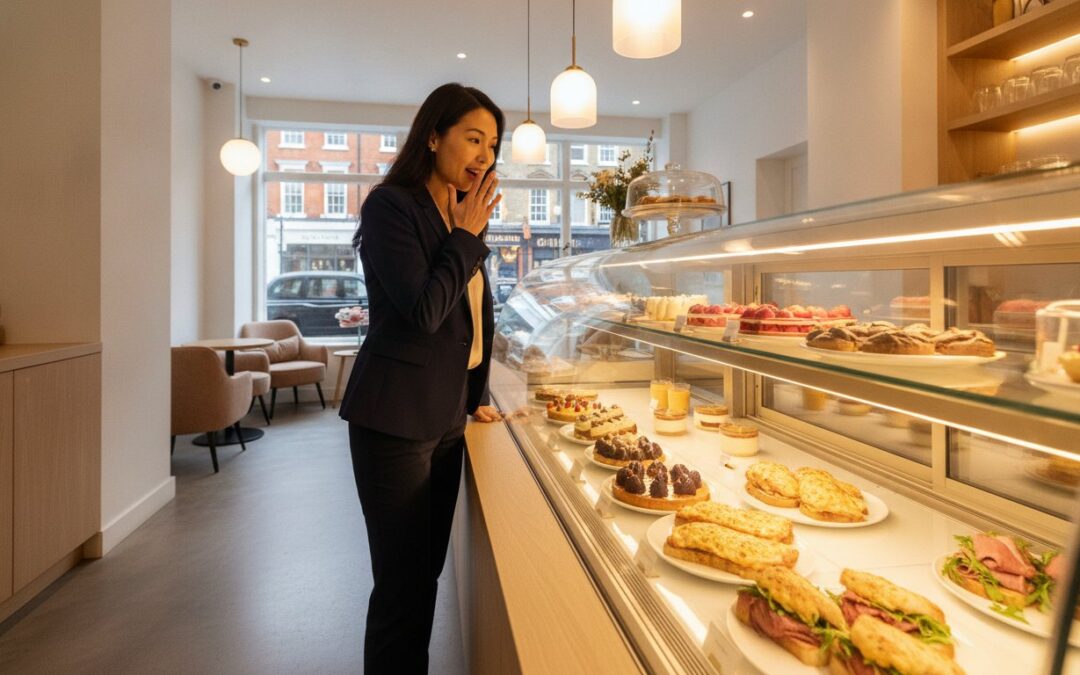
What if your patisserie display or deli counter was doing more than just holding food; what if it was actively closing the sale for you? Understanding exactly how food display equipment boosts sales is the crucial difference between a customer who simply walks past and one who stops to make a purchase. As an expert partner in your commercial success, we know that your equipment should work as hard as you do to maintain the integrity of your products.
It’s a common frustration to see artisanal offerings look tired by mid-afternoon or to watch energy overheads climb because of aging refrigeration units. You’ve spent years honing your craft, yet poor customer flow or inadequate lighting can undermine that premium brand image in seconds. You deserve a retail environment that reflects your dedication to quality while remaining operationally efficient and reliable.
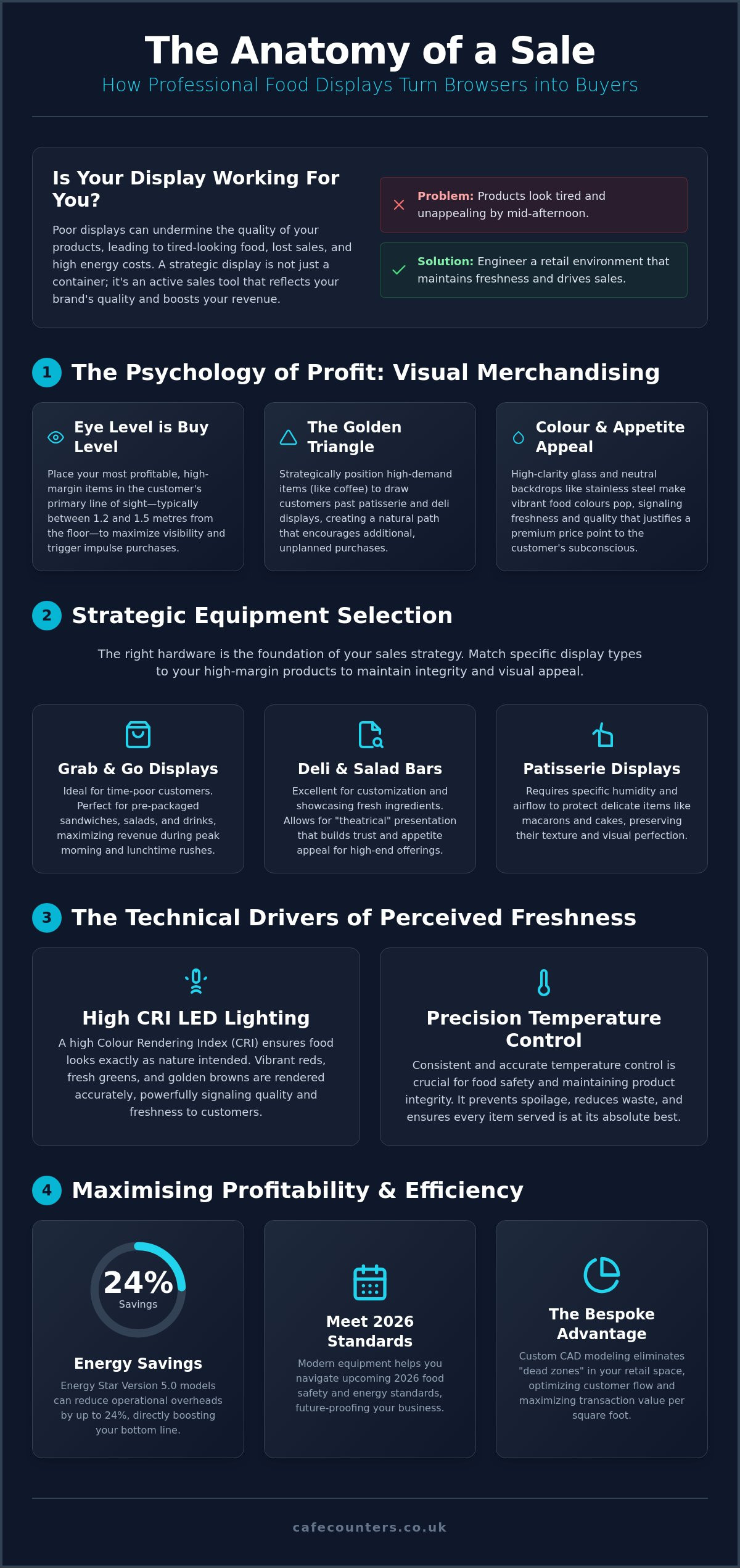
This article explores how professional food display units influence consumer psychology to trigger impulse buys and maximize your daily revenue. We’ll guide you through the technical details that turn a simple counter into a high-performing sales tool, from the 24% energy savings offered by Energy Star Version 5.0 models to the latest 2026 food safety standards. Discover how precision engineering and visual merchandising can reduce waste and justify higher pricing for your business.
Key Takeaways
- Learn how visual merchandising principles like “Eye Level is Buy Level” turn casual browsers into high-margin buyers.
- Understand how food display equipment boosts sales by matching specific unit types, such as Grab & Go displays, to your unique menu mix.
- Discover the technical role of high CRI LED lighting and precision temperature control in maintaining the perceived freshness of your artisanal products.
- Explore how modern equipment helps you navigate 2026 energy standards while significantly reducing operational overheads.
- See how bespoke design and CAD modeling eliminate “dead zones” in your retail space to optimize customer flow and transaction value.
The Psychology of Profit: How Visual Merchandising Triggers Impulse Sales
Visual merchandising is the strategic arrangement of food to stimulate the senses and drive purchasing decisions. In a commercial setting, it’s the silent dialogue between your product and the customer. By using professional visual merchandising techniques, you transform a simple display into a persuasive sales tool. It’s about more than aesthetics; it’s about engineering a path to the checkout. When a customer enters your space, they’re making split-second judgements about quality and value based entirely on what they see.
Retailers have long understood that “eye level is buy level.” For a deli or patisserie, this means placing your most profitable, artisanal items directly in the primary line of sight, typically between 1.2 and 1.5 metres from the floor. As we move through 2026, consumer expectations have shifted toward “theatrical” presentation. Customers don’t just want a pre-packaged sandwich; they want to see the vibrant textures of the fillings and the crispness of the crust. High-clarity glass and frameless designs in modern equipment remove the physical and psychological barriers between the buyer and the product. This transparency is a fundamental reason why food display equipment boosts sales, as it creates an immediate sense of trust and appetite appeal.
The Golden Triangle and Customer Focal Points
The “Golden Triangle” is a proven retail layout that positions high-demand items to draw customers deep into your space. In a cafe, this might involve placing the coffee machine at the back and using patisserie displays or deli counters to line the path. You can use vertical space to increase product density without creating a sense of clutter. By placing “Hero” products—those with the highest visual impact—at the centre of your display to anchor attention, you guide the customer’s eyes toward high-margin impulse buys they hadn’t originally planned to purchase.
Colour Psychology and Appetite Appeal
Appetite appeal is deeply rooted in colour. Fresh greens, deep reds, and golden pastries lose their allure under poor lighting. We utilise LED lighting with a high Colour Rendering Index (CRI) to ensure food looks exactly as nature intended. Stainless steel back-bar units and counters provide a neutral, hygienic backdrop that makes these vibrant colours stand out. This contrast is a key factor in how food display equipment boosts sales, as it signals freshness and quality to the subconscious mind. When products look vibrant, they justify a premium price point and reduce the hesitation that leads to lost sales.
Strategic Equipment Selection: Matching Display Types to High-Margin Products
The selection of your commercial hardware shouldn’t be an afterthought; it is the foundation of your operational strategy. Your menu mix dictates the technical specifications required to maintain product integrity and visual appeal. A high-end salad requires different airflow and humidity than a delicate macaron or a hot breakfast roll. Research into The Power of In-Store Displays demonstrates that the physical environment is a primary driver for food retail success. We’ve found that businesses often see the greatest return when they move away from generic units toward equipment tailored to their specific high-margin offerings.
Achieving a seamless synergy between different temperature zones within a single counter run is a common challenge for retailers. When you integrate chilled sections with heated areas, you create a frictionless experience that caters to diverse customer needs simultaneously. This strategic approach is a significant factor in how food display equipment boosts sales, as it ensures your retail space remains a productive asset throughout every daypart. It’s about providing a logical progression that guides the customer from a main meal to a drink and finally to an indulgent treat.
Maximising Morning and Lunchtime Revenue
Peak trading hours demand speed and high-volume accessibility. While deli counters and salad bars are excellent for customisation, time-poor commuters often prefer the convenience of refrigerated grab and go display units. These open-fronted cases remove the physical barrier of a door, which can increase the speed of service during the morning coffee rush. By integrating heated gantries for breakfast rolls or hot wraps, you can capture additional revenue from customers who might otherwise look elsewhere for a warm meal. This combination of accessibility and temperature variety ensures you don’t miss out on high-volume lunchtime trade.
The Afternoon Uplift: Patisserie and Confectionery
As the lunch rush fades, your focus should shift toward capturing the afternoon “treat” market. Utilising specialised Patisserie Displays allows you to create an aspirational destination for cakes and confectionery. Tiered shelving is particularly effective here; it increases product density and perceived variety without expanding your footprint. To maintain the “just baked” look that justifies a premium price, these units must offer precise humidity control to prevent delicate pastries from drying out. If you’re looking to refine your layout, our team can help you design bespoke serving counters that perfectly align with your afternoon sales goals.
Lighting and Temperature: The Technical Drivers of Perceived Freshness
While previous sections established the importance of layout and equipment choice, the technical performance of your units determines whether a customer actually trusts the quality of what they see. In the commercial food sector, “looking fresh” is just as vital as “being fresh” for immediate sales conversion. If a vibrant salad appears slightly wilted or a glazed pastry looks dull under inadequate lighting, the customer’s subconscious mind flags the item as poor value. This is a fundamental way how food display equipment boosts sales; it acts as a technical guardian for the visual promise of your artisanal products.
Customer trust is also built on the clarity of the presentation. Condensation-free glass is a hallmark of high-quality engineering, as it ensures that there is never a fogged barrier between the buyer and the product. When a customer can see every detail of a dish through pristine glass, they feel more confident in their purchase. This transparency, combined with stable temperature management, ensures that your stock remains an enticing asset rather than a liability that requires discounting by mid-afternoon.
Food-Grade Lighting: Making Products Shine
Generic retail lighting often produces “flat” or overly yellow tones that can make high-end food look unappealing. We prioritise LED lighting with a high Colour Rendering Index (CRI), specifically aiming for levels of 90 or above to ensure that colours appear vivid and true to life. Directional spotlights within patisserie displays or deli counters allow you to highlight specific premium items, creating a focal point that draws the eye. Because modern LEDs emit negligible heat, they don’t interfere with the internal climate of refrigerated units, protecting delicate ingredients from the premature spoilage often caused by traditional bulbs.
Precision Climate Control for Visual Integrity
Maintaining a consistent environment is about more than just meeting health regulations; it’s about preserving the physical texture of your food. In open-front merchandisers, advanced airflow technology prevents the “hot spots” that typically cause sandwiches or salads to dry out. For operators serving warm dishes, Vision Heated Counters provide precise thermal management that maintains both the texture and appearance of hot food throughout the day. By extending the “visual shelf life” of your displayed items, you significantly reduce food waste and ensure that your brand image remains premium even during the final hours of trade. This technical consistency is a key driver in how food display equipment boosts sales by maintaining high standards from opening until close.
Maximising Profitability through Operational Efficiency and Energy Savings
Profitability is often won or lost in the margins of your operational costs. While we’ve discussed the visual appeal of your products, the technical efficiency of your hardware plays an equally vital role in business growth. High energy overheads from outdated units can quickly erode the gains made through increased footfall. Understanding how food display equipment boosts sales involves looking at the total cost of ownership and how modern units protect your bottom line. A reliable unit ensures your best-selling items are always available when the customer is ready to buy, preventing the lost revenue associated with equipment failure.
As we navigate 2026, the regulatory landscape is becoming more demanding for hospitality operators. The Climate Change Levy rates have reached 0.801p per kWh, making energy efficiency a financial necessity rather than a choice. Adhering to the latest MEES (Minimum Energy Efficiency Standards) isn’t just about compliance; it’s about ensuring your business remains competitive in a high-cost environment. Choosing cheap, inefficient equipment often carries a hidden cost of frequent downtime. When a display fails during a lunch rush, the immediate loss of sales is compounded by the long-term damage to your brand’s reputation for reliability.
Energy Efficient Technology as a Sales Enabler
Modern refrigerator commercial units are now designed with high-performance insulation that does more than just save energy. This insulation reduces compressor noise, creating a quieter and more comfortable environment that encourages customers to stay longer and spend more. Energy Star 5.0 certified models are up to 24% more efficient than previous generations, directly lowering your daily overheads. This consistent performance ensures that your product availability remains high, which is a critical factor in how food display equipment boosts sales over the long term.
Workflow Optimisation and Transaction Speed
The physical layout of your service area is a major driver of transaction volume. By implementing ergonomic cafe counter design, you can significantly reduce staff travel distance and serve times. We often recommend integrate drop-in units to create a seamless, professional service flow that prevents bottlenecks during peak hours. A well-designed counter allows your team to focus on the customer rather than struggling with awkward equipment. If you’re looking to streamline your operation, you can explore our bespoke serving counters to see how precision engineering improves daily throughput.
The Bespoke Advantage: Designing for High-Margin Success
Off-the-shelf units often lead to “dead zones”—those underutilised corners or awkward gaps that disrupt the natural journey of a customer. These gaps aren’t just aesthetic flaws; they represent lost floor space that could be generating profit. A fundamental way how food display equipment boosts sales is through a layout that feels entirely intentional and frictionless. By choosing to work with bespoke cafe counter manufacturers, you ensure that every millimetre of your retail footprint is engineered to drive transactions and reflect your regional artisanal pride.
Precision is the cornerstone of a successful commercial project. We utilise advanced CAD modelling to simulate the physical reality of your service flow before we even begin internal production. This predictive design process identifies sales-killing layout errors, such as bottlenecks at the point of sale or poor visibility for high-margin items. It allows us to link technical features directly to functional benefits, ensuring that your equipment isn’t just a container for food, but a strategic tool that guides the buyer’s experience from the moment they enter the room. This level of meticulous planning is exactly how food display equipment boosts sales by removing the stress of operational guesswork.
Tailoring the Display to Your Unique Floor Plan
Custom-sized deli counter solutions eliminate the wasted space common in standard configurations. Whether your site requires a curved run to soften a corner or an L-shaped layout to guide customers through a specific sales funnel, bespoke design ensures a cohesive look. Integrating stainless steel back-bar units with your front counters creates a professional, unified brand identity. This seamless integration signals total competence to your clientele, justifying the premium pricing that artisanal products deserve.
From CAD to Commissioning: A Proven Path to Sales Growth
The journey from an initial idea to a finished physical space begins with a thorough site survey. This step is vital for identifying specific sales-boosting opportunities that are unique to your location and menu mix. We manage the technical integration of refrigerated and heated components to ensure they operate harmoniously within a single, high-performance run. Final commissioning ensures your “silent salesperson” is calibrated for peak performance and ready for the unique pressures of your busiest trading hours. This methodical process provides the reliability you need to focus on your vision while we handle the technical execution of your retail environment.
Elevating Your Retail Environment for Long-Term Growth
Transforming your food service space from a functional area into a high-performing sales asset requires a blend of psychological insight and technical precision. We’ve explored how lighting, layout, and temperature control work in unison to protect your margins and enhance customer trust. By integrating 2026-compliant, energy-efficient technology with a layout designed for optimal flow, you secure a competitive edge that justifies a premium brand image. Precision in your equipment choice isn’t just about aesthetics; it’s about building a durable foundation for daily revenue.
TFSE Products Ltd has been a steady, reliable hand in UK-based manufacturing since 1991. We understand the unique pressures of the hospitality sector and position ourselves as your expert partner in every build. Our team utilizes advanced CAD modelling for every project to ensure your vision is brought to life with total accuracy and operational efficiency. Whether you need specialized patisserie displays or integrated drop-in units, our commitment to internal production ensures total quality control and authenticity.
If you’re ready to see exactly how food display equipment boosts sales in your specific location, we invite you to take the next step. You can request a bespoke counter consultation and site survey from TFSE Products Ltd to begin your journey toward a more profitable retail space. Let’s work together to bring your vision to life with the technical expertise your business deserves.
Frequently Asked Questions
How much can visual merchandising actually increase my cafe sales?
Visual merchandising can lead to a measurable rise in impulse transactions, often reported by industry professionals as a 20% to 30% uplift in specific product categories. By strategically positioning high-margin items at eye level, you reduce the customer’s decision-making time. This immediate visual impact is a primary way how food display equipment boosts sales, as it converts passive browsers into active buyers through the power of suggestion and appetite appeal.
What is the best type of lighting for a patisserie display?
The most effective lighting for a patisserie display is LED with a high Colour Rendering Index (CRI) of 90 or above. This technical specification ensures that the intricate colours of glazes and pastries appear vibrant and natural rather than dull. We use cool-running LEDs to ensure that the lighting doesn’t emit heat, which protects delicate buttercream and chocolate from melting while maintaining a crisp, inviting appearance for the customer.
Do refrigerated grab and go displays use more energy than closed-door fridges?
While open-fronted Grab & Go displays traditionally consume more energy than closed-door fridges, modern Energy Star 5.0 certified units have significantly closed this gap. These high-performance units are up to 24% more efficient than older models, helping you manage the 2026 Climate Change Levy rates. The trade-off is often worth the investment, as the lack of a physical barrier in Grab & Go units typically increases transaction speed and volume during peak hours.
Can I integrate heated and refrigerated units into the same counter run?
Yes, you can seamlessly integrate heated gantries and refrigerated sections into a single, cohesive counter run. This approach is a strategic factor in how food display equipment boosts sales by offering a “one-stop” service point for diverse customer needs. Our bespoke serving counters use advanced insulation and independent thermal management to ensure that the heat from a hot food station doesn’t compromise the temperature of adjacent chilled salads.
How often should I update or rotate my food display layout?
You should review your display layout every three to six months to prevent “visual fatigue” among regular customers. While your core “Hero” products should remain in predictable anchor positions, rotating seasonal items or high-margin treats keeps the display feeling fresh and dynamic. Frequent minor adjustments allow you to respond to changing consumer trends and ensure that your retail space always offers something new to capture the eye.
What are the 2026 energy regulations for commercial food displays in the UK?
In 2026, UK operators must navigate stricter Minimum Energy Efficiency Standards (MEES) and increased Climate Change Levy rates of 0.801p per kWh. Additionally, new retail refrigeration systems are subject to specific Global Warming Potential (GWP) limits under updated refrigerant regulations. Choosing equipment that meets these standards isn’t just about legal compliance; it’s a practical step to lower your long-term operational overheads and ensure your business remains financially sustainable.
Is a bespoke counter worth the extra investment compared to standard units?
A bespoke counter is a superior investment because it eliminates “dead zones” and aligns perfectly with your specific floor plan. Standard off-the-shelf units often lead to layout errors that disrupt customer flow and reduce your total product density. By commissioning a custom solution, you gain a unique brand identity and a highly efficient workspace that is engineered to maximise transaction value and staff productivity over many years of service.
How does counter height affect customer purchasing behaviour?
Counter height significantly influences purchasing behaviour by determining the primary focal point of the customer. A standard height of approximately 900mm to 1100mm ensures that products are within the “Golden Zone” of visibility for most adults. If a counter is too high, it creates a psychological barrier; if it’s too low, it can appear cluttered. Getting this measurement right ensures a comfortable interaction that encourages customers to linger and browse.